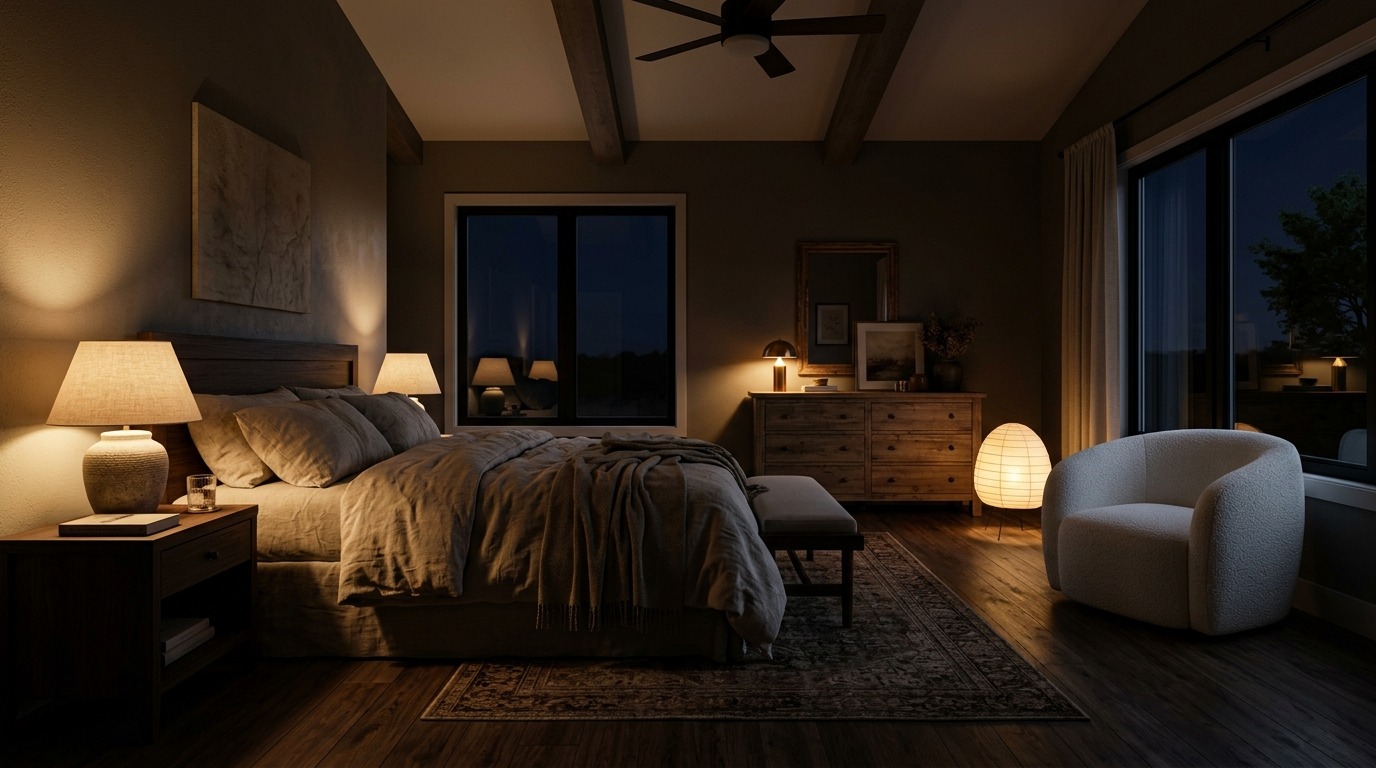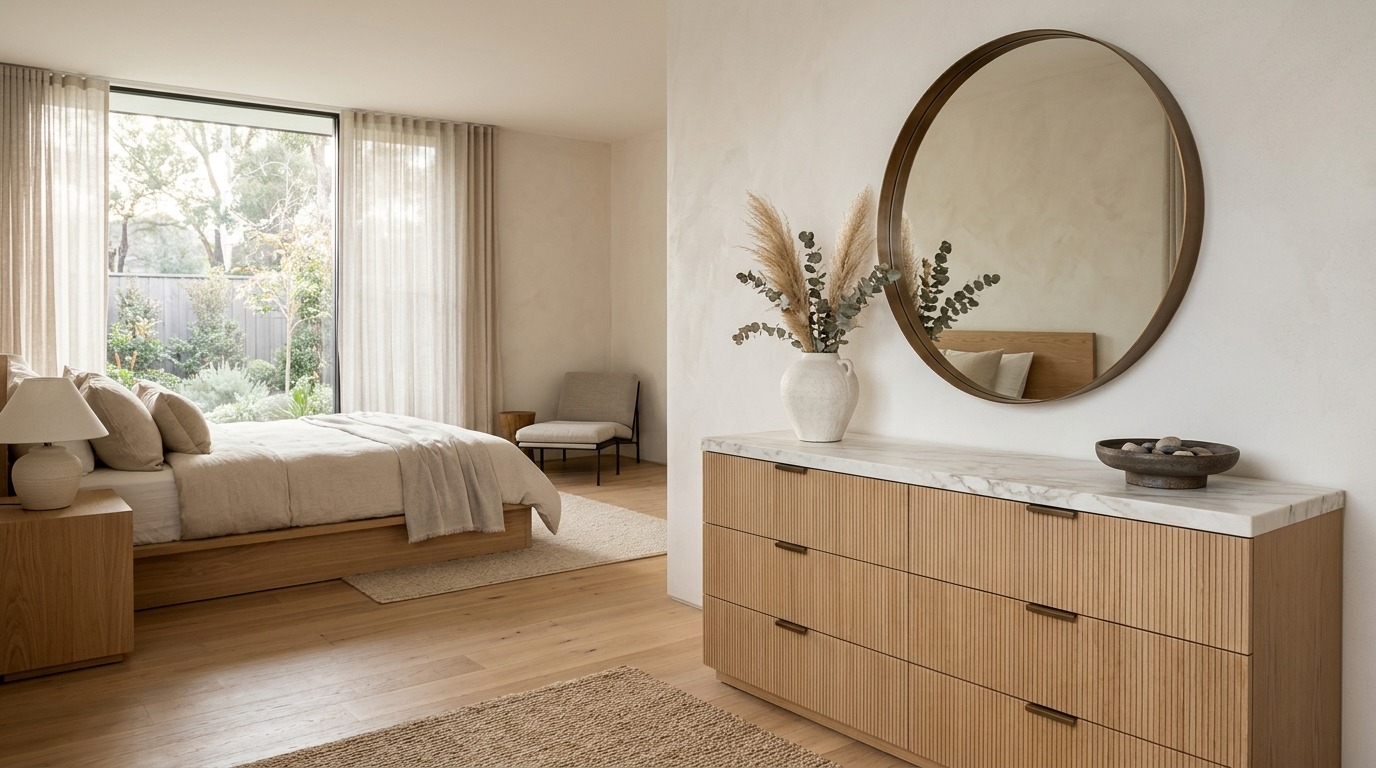
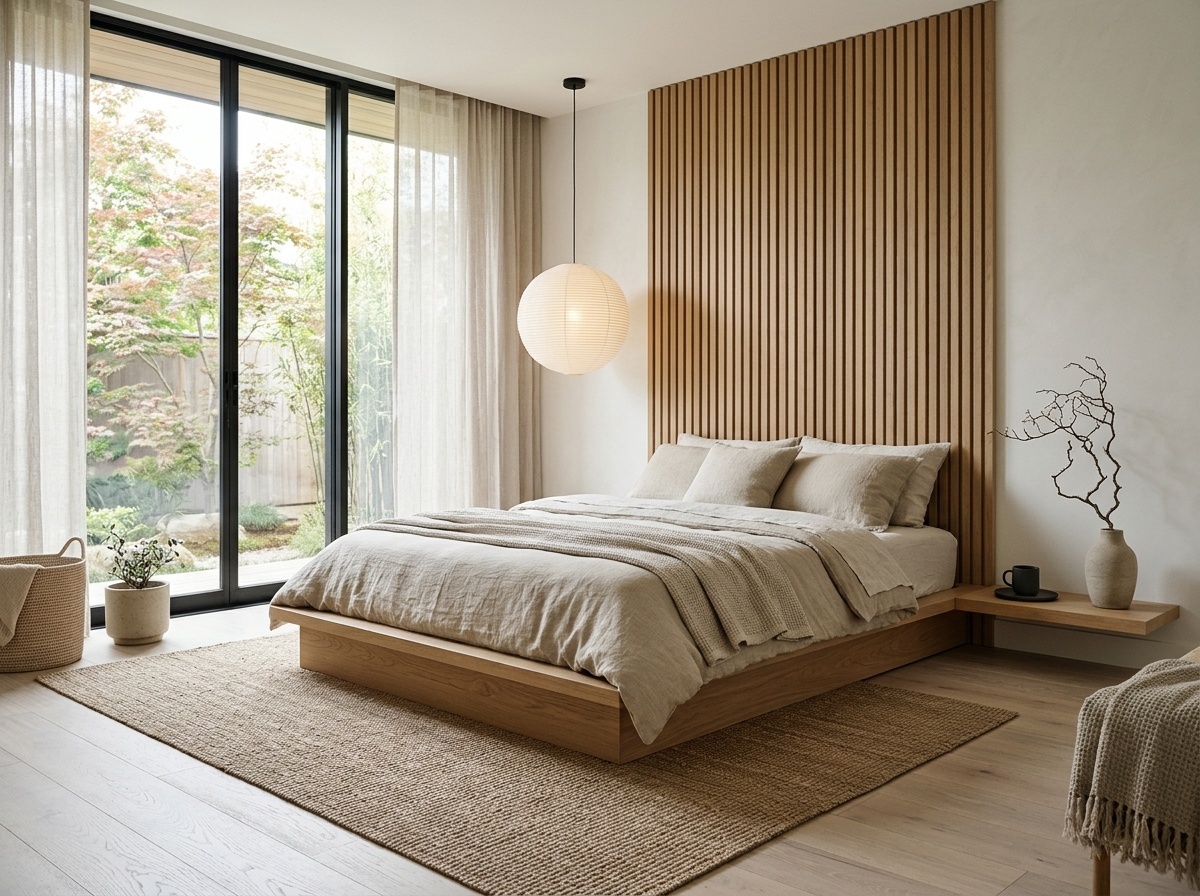
In an increasingly overstimulating world, the bedroom should be a sanctuary of pure visual and mental stillness. This need for quiet restoration has fueled the rise of Japandi interior design—a hybrid aesthetic that blends Japanese wabi-sabi philosophy with Scandinavian hygge warmth.
While traditional Scandinavian design leans heavily on cozy textiles and light woods, Japanese minimalism introduces grounding discipline, low horizontal sightlines, and a deep appreciation for the beauty of natural, unvarnished materials.
The result is a bedroom that feels airy and uncluttered without ever feeling sterile or austere. Here is how to create a tranquil Japandi bedroom retreat using authentic design principles.
1. Ground the Space with Low Horizontal Sightlines
In traditional Japanese architecture, living spaces are designed close to the earth (tatami living). Lowering the height of your furniture immediately opens up vertical volume, making ceilings feel higher and rooms feel significantly larger.
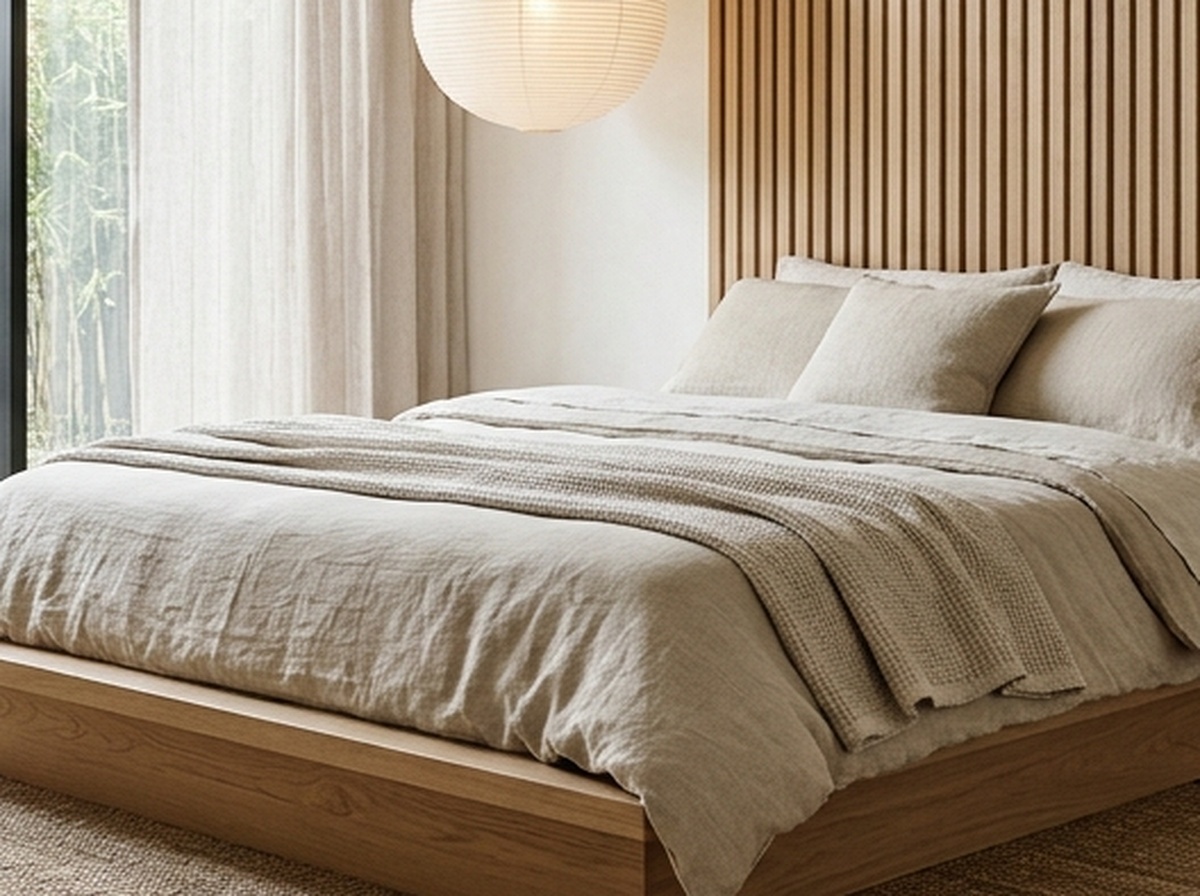
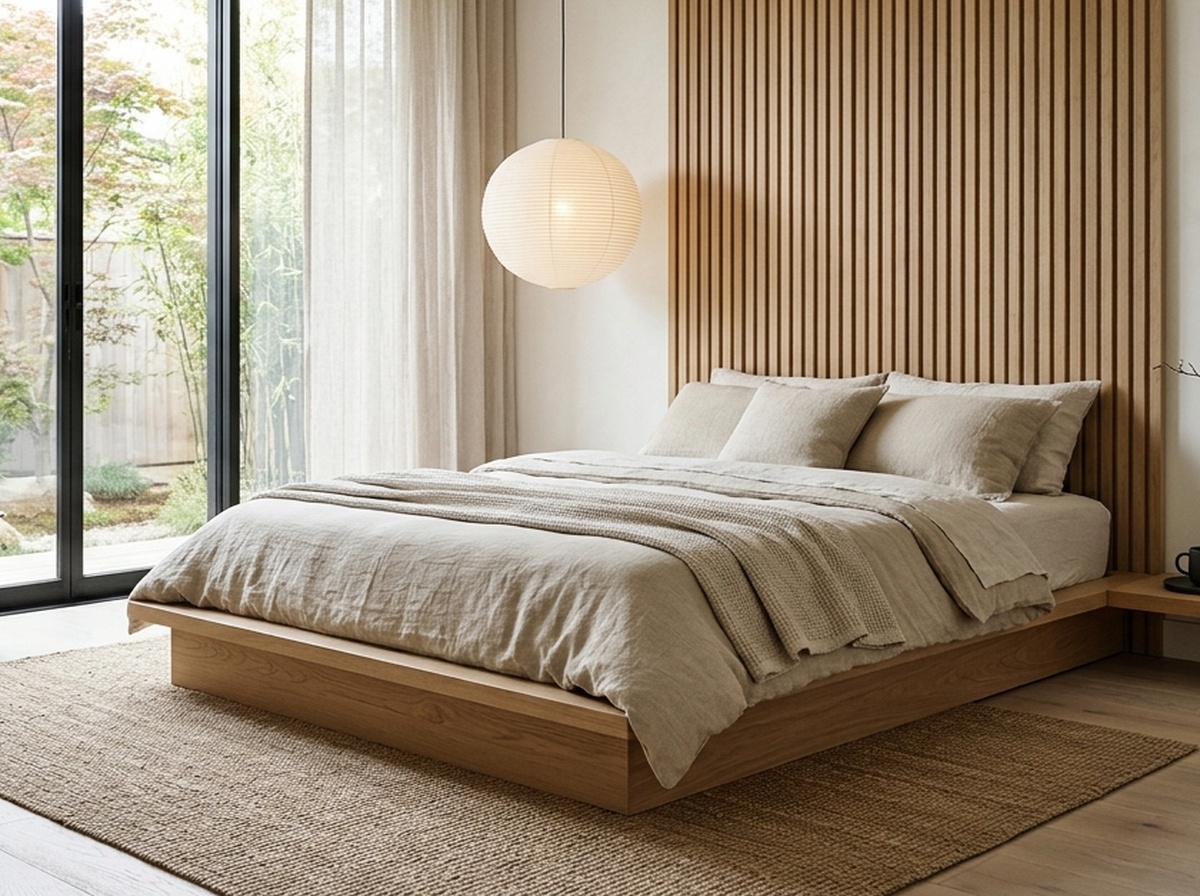
- The Low-Profile Platform Bed: The centerpiece of a Japandi bedroom is a low platform bed frame crafted from solid FSC-certified white oak, ash, or hinoki cypress. Look for frames that hover 10 to 14 inches off the floor, featuring clean mitered joinery and an integrated perimeter reveal.
- Low Floating Nightstands: Instead of tall, bulky bedside chests, install minimalist floating timber ledges mounted flush with the platform deck. This keeps floor surfaces clear and maintains clean, unbroken sightlines.
- Generous Floor Zones: Keep at least 36 to 40 inches of open floor space around the bed. In Japandi philosophy (Ma), empty negative space is as vital to the experience of a room as the furniture itself.
2. Introduce Acoustic Wood Slat Paneling
To prevent minimal walls from feeling stark, Japandi interiors rely on tactile architectural texture.
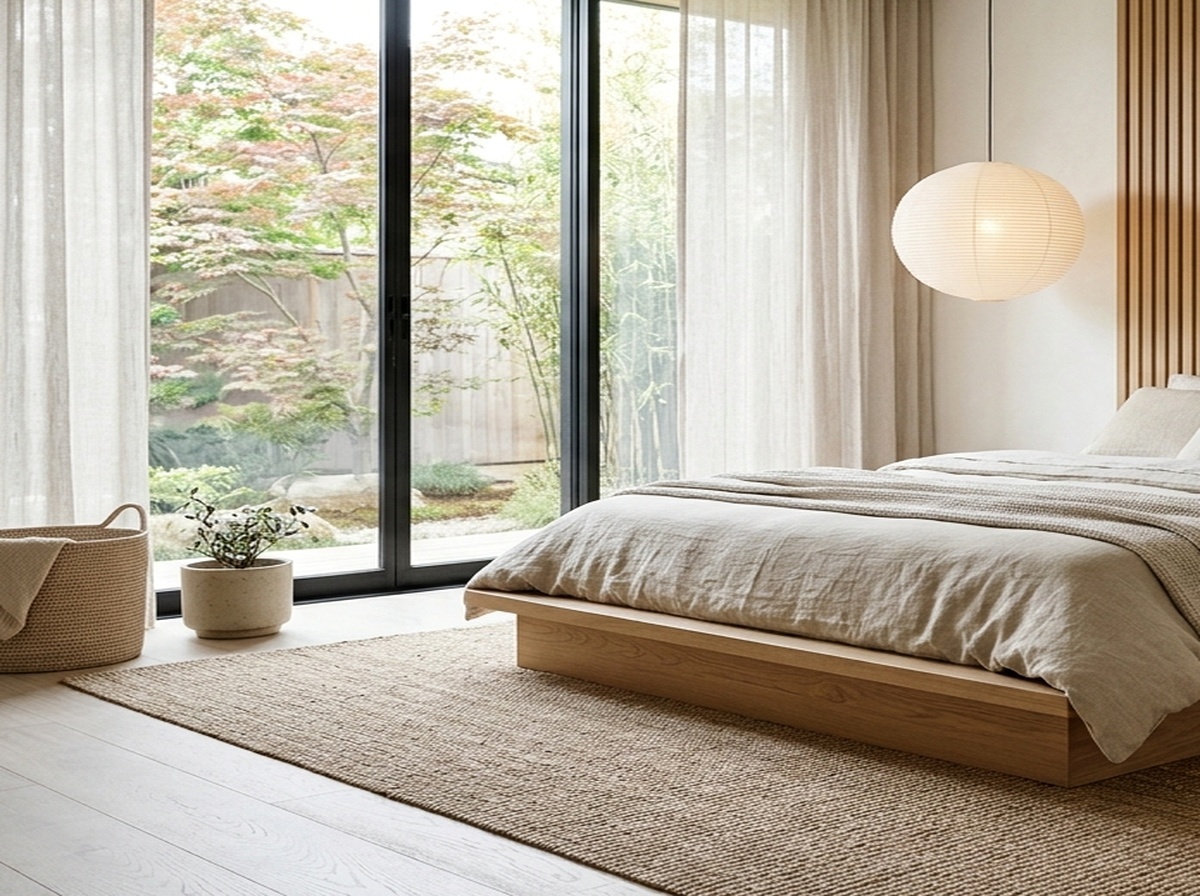
Installing vertical acoustic white oak wood slat panels behind the bed acts as an organic, textural headboard alternative. The vertical lines draw the eye upward, while the dark felt backing absorbs echo and outside noise, creating an acoustically hushed sleeping chamber.
Keep wood finishes natural and raw—finished only in a matte, clear water-based sealant or hardwax oil that preserves the timber's natural pale tone and open grain.
3. The Wabi-Sabi Textile Palette
Japandi bedding rejects synthetic microfibers, glossy satin, and rigid ironed hospital corners. It embraces the wabi-sabi beauty of organic imperfection:
- Unbleached Organic Flax Linen: Dress your mattress in 170 GSM washed French or Belgian flax in unbleached ecru, stone gray, or warm oatmeal. The natural slubs and soft crinkles of washed linen add warmth and human touch.
- Earthy Neutral Tones: Ground the room in a restrained palette inspired by stone, dried reeds, and clay:
- Primary Wall Color:
Benjamin Moore Natural Cream (OC-14)orSherwin-Williams Shoji White (SW 7042) - Secondary Shadow Accent:
Farrow & Ball Shaded White (No. 201)
- Primary Wall Color:
- Woven Floor Textures: Skip plush synthetic carpets in favor of a flatweave natural jute rug or traditional woven rush tatami-style mats underfoot.
4. Diffused Illumination with Paper Lantern Pendants
In Japanese interior aesthetics, light is filtered softly through washi paper screens rather than beamed directly into the eyes.
- Sculptural Paper Lanterns: Hang an iconic spherical or asymmetrical washi paper pendant light—inspired by Isamu Noguchi’s Akari light sculptures—above the bed or in a corner reading nook. The mulberry paper diffuses bulb glare into an ethereal, warm ambient glow.
- Concealed Low-Voltage LED Channels: Install indirect 2400K warm LED channel strips hidden beneath floating ledges or behind acoustic slat panels. The indirect wash of light skims across natural textures without revealing the light source.
- Eliminate Overhead Downlights: Avoid harsh recessed ceiling spotlights, which produce unflattering shadows and visually chop up ceiling planes.
5. Intentional Storage and the Art of Editing
Clutter is the antithesis of both hygge and wabi-sabi. To maintain a peaceful environment:
- Concealed Wardrobe Joinery: Choose built-in reach-in wardrobes with flush floor-to-ceiling doors and concealed push-to-open latches. Eliminating visible drawer pulls creates a seamless wall effect.
- The "One Object" Rule for Surfaces: Keep nightstand surfaces virtually clear. Rather than stacks of random electronics and cables, display a single intentional object: an unglazed ceramic vase holding a dried wild allium stem, or a small stone incense burner.
- Hide All Cords: Run charging cords inside floating nightstand drawers fitted with interior cable grommets.
Frequently Asked Questions
What is the difference between minimalist and Japandi bedroom design?
While traditional minimalism can sometimes feel stark, cold, and industrial, Japandi introduces natural warmth through organic wood, textured ceramics, washi paper lighting, and tactile linen textiles. It focuses on warmth and comfort (hygge) while maintaining clutter-free discipline (wabi-sabi).
Is a low platform bed practical for everyday living?
Yes, provided mattress height is accounted for. Pair an 8- to 10-inch platform frame with a substantial 10- to 12-inch supportive mattress to bring your sitting height to approximately 18 to 22 inches from the floor, allowing for comfortable entry and exit.
How do I light a Japandi bedroom in the evening?
Use dual-level diffused lighting. An oversized paper pendant light provides soft general illumination, while low-mounted bedside lamps with paper or linen shades cast warm 2400K to 2700K downward pools of light for relaxing and reading before sleep.
Can Japandi style work in a small bedroom?
It is one of the best styles for small spaces. Because the furniture sits low to the ground and features clean, slender timber profiles, it maximizes sightlines and air circulation, making compact rooms feel airy and serene.