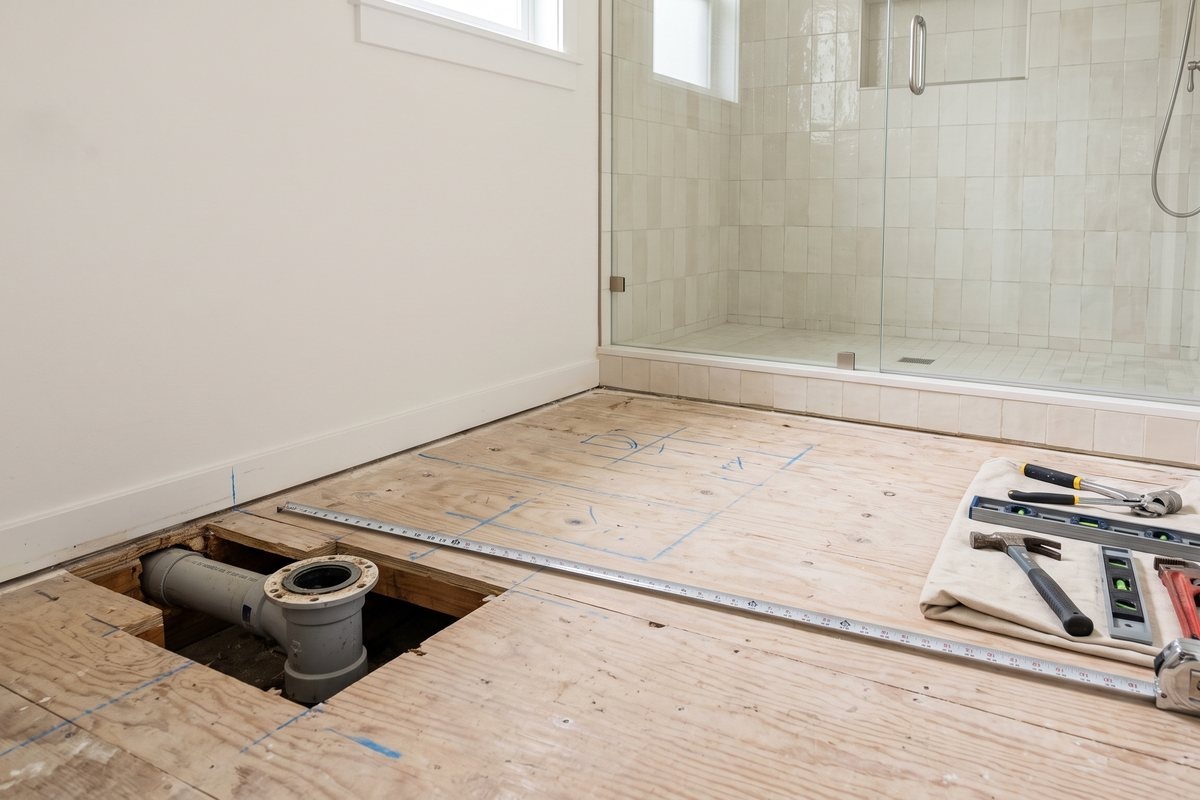
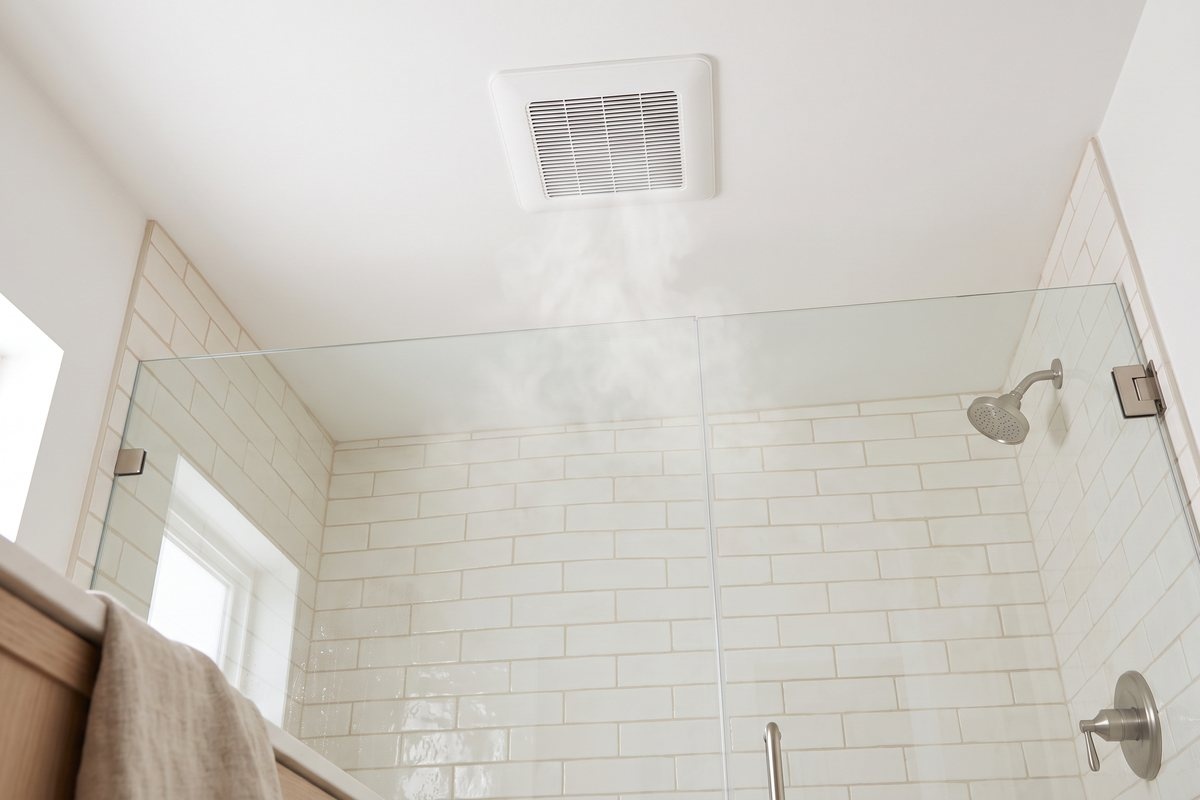
An exhaust fan (extractor fan in the UK) is the least exciting thing in a bathroom remodel and one of the most important. Too small and the mirror stays fogged and mold creeps into the grout. Too loud and nobody switches it on.
The rule for most bathrooms: 1 CFM per square foot
The Home Ventilating Institute's guideline for bathrooms of 100 square feet or less is about 1 CFM per square foot of floor, with 50 CFM as the minimum.
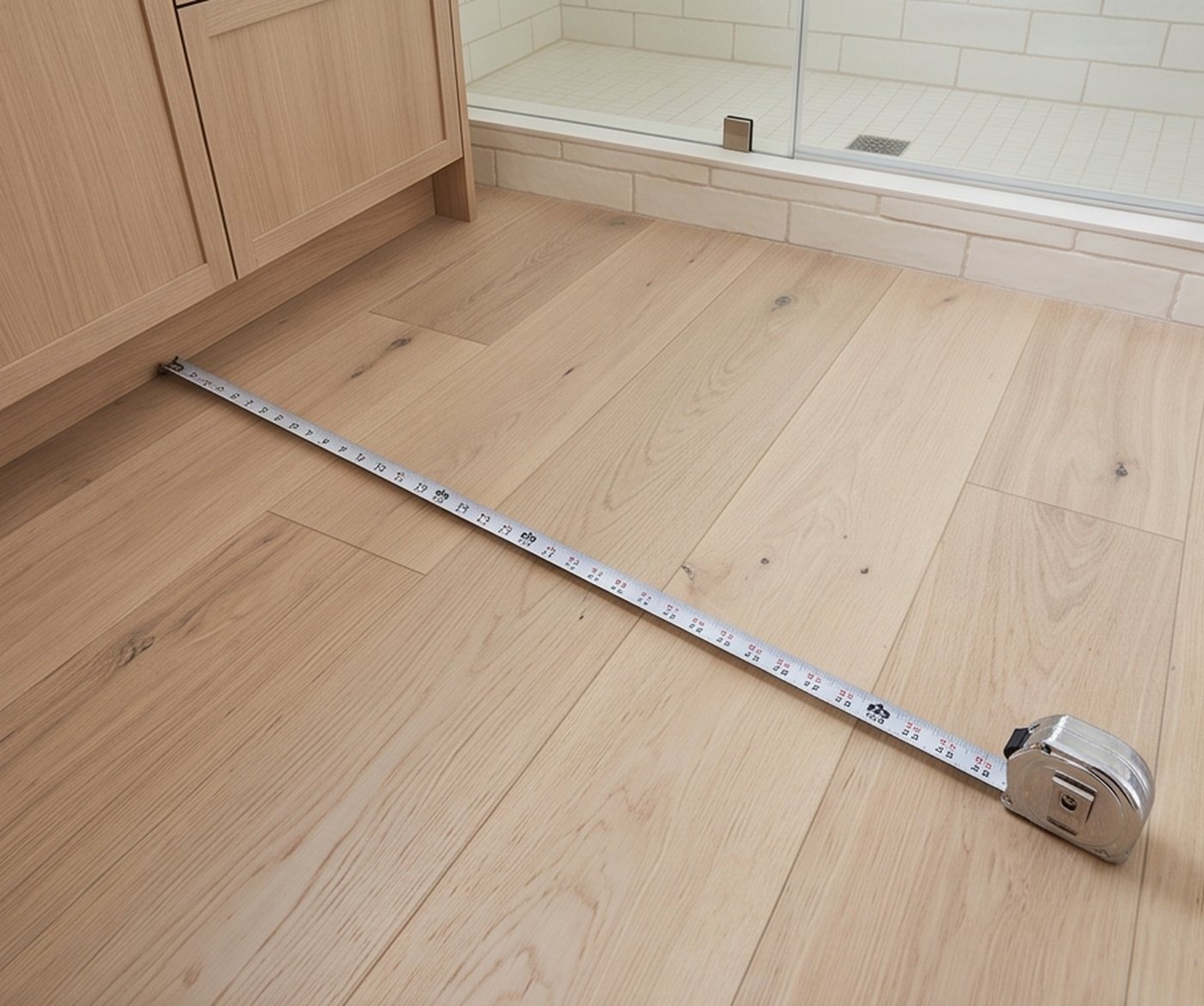
- Measure the floor: length x width in feet.
- That number is roughly the CFM you need.
- If it's under 50, buy a 50 CFM fan.
Worked example
A 5 x 8 foot bathroom is 40 square feet. That's under 50, so a 50 CFM fan does the job. An 8 x 10 bathroom is 80 square feet, so look for 80 CFM.
Bigger bathrooms: add by fixture
Over 100 square feet, size by fixture instead: about 50 CFM each for a toilet, a shower and a bathtub, and 100 CFM for a jetted tub. A large bathroom with a toilet, shower and tub needs around 150 CFM.
Quiet enough to use: 1.0 sone or less
Fan noise is rated in sones. A fan at 1.0 sone or quieter is about as loud as a modern fridge. Louder fans get switched off early, which defeats the point.
Timer or humidity sensor
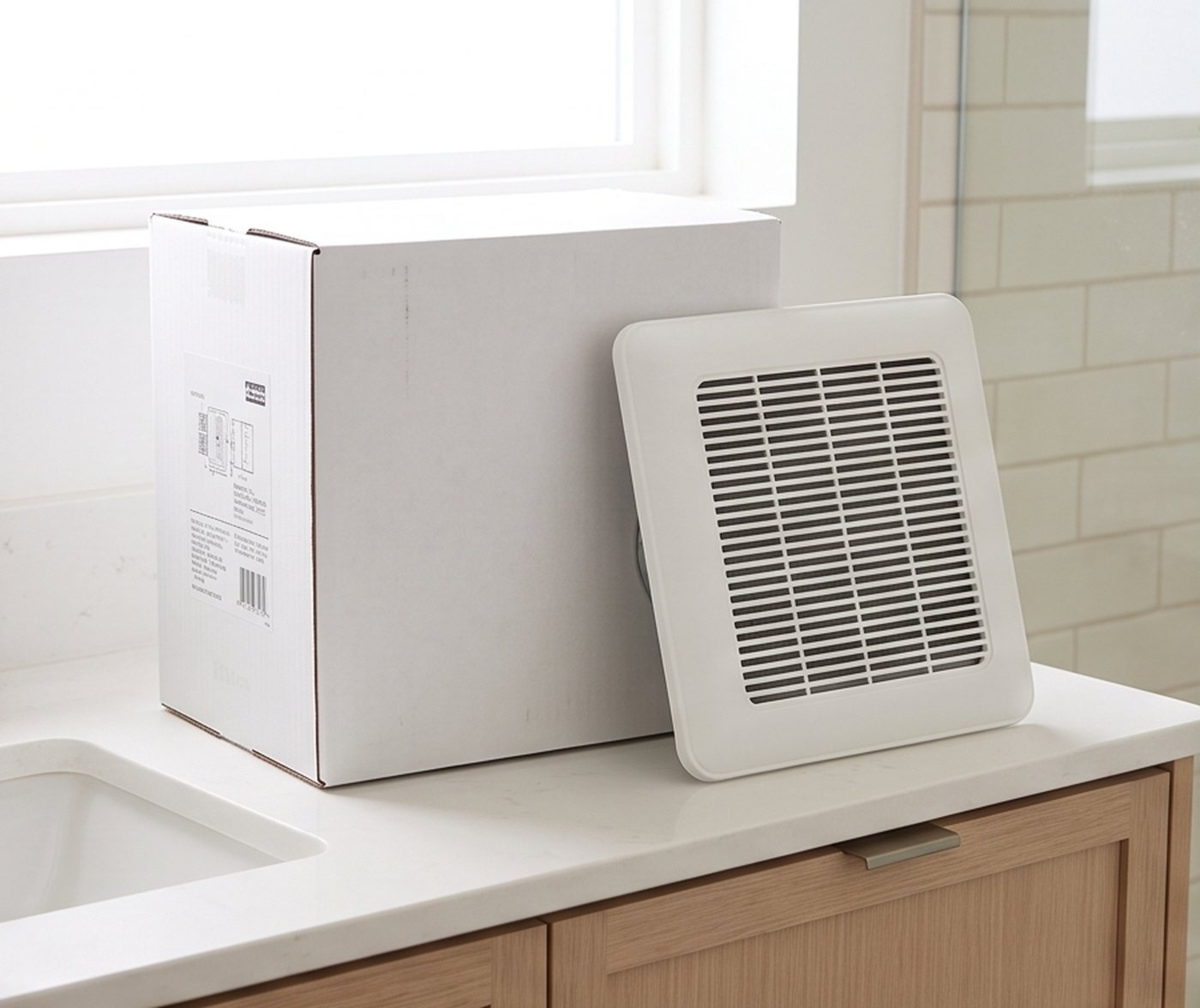
Steam hangs around after the shower is off. A fan on a timer or a humidity sensor keeps running for 20 minutes or so after you leave, without anyone remembering.
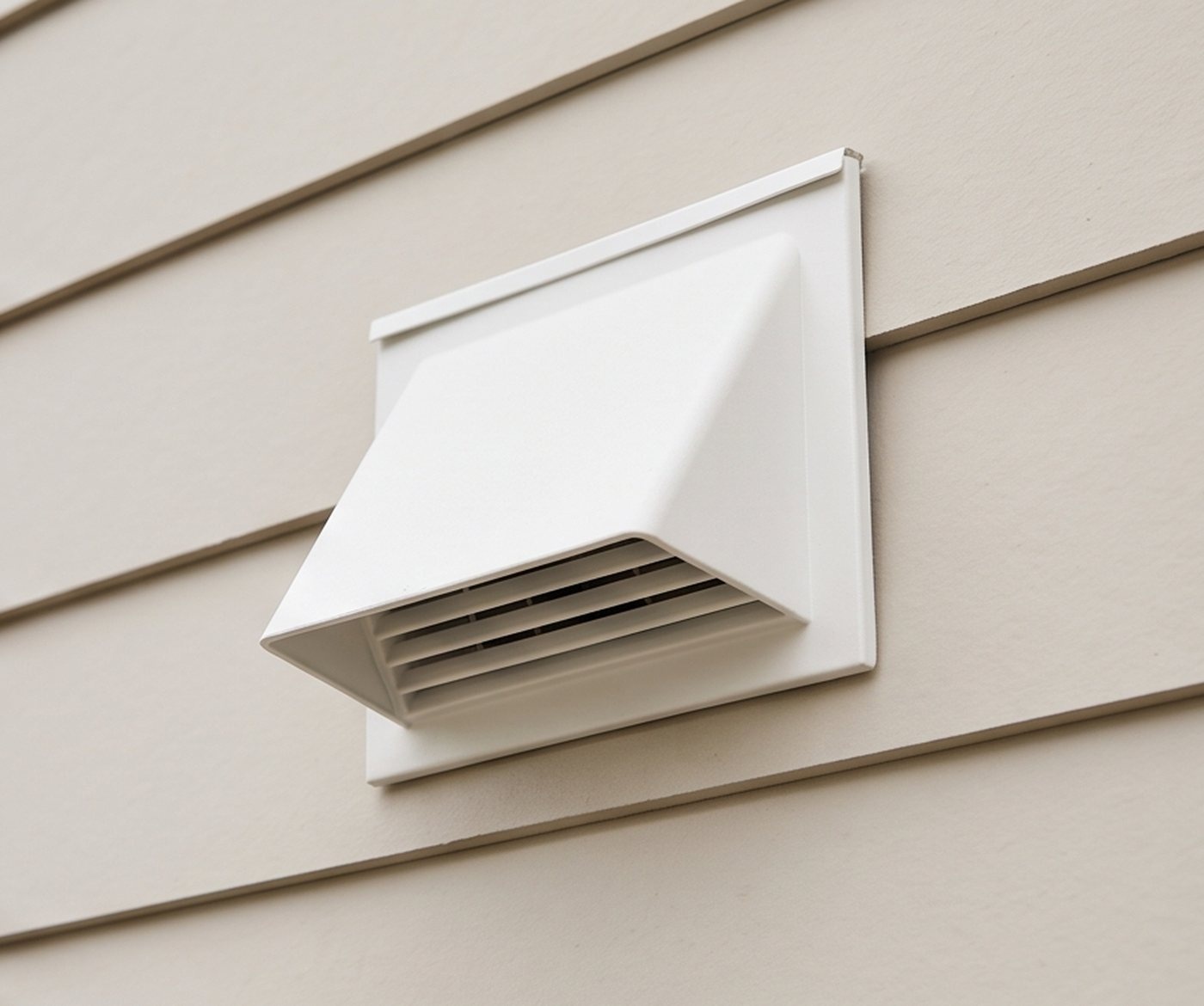
Vent it outside
The fan has to vent outside the house, not into the attic or the space between floors. Ask your contractor where the duct ends.
In the UK
Building regulations (Approved Document F) set bathroom extraction at 15 liters per second for an intermittent fan, or 8 liters per second for one that runs continuously. A windowless bathroom relies on it completely.
Where it goes
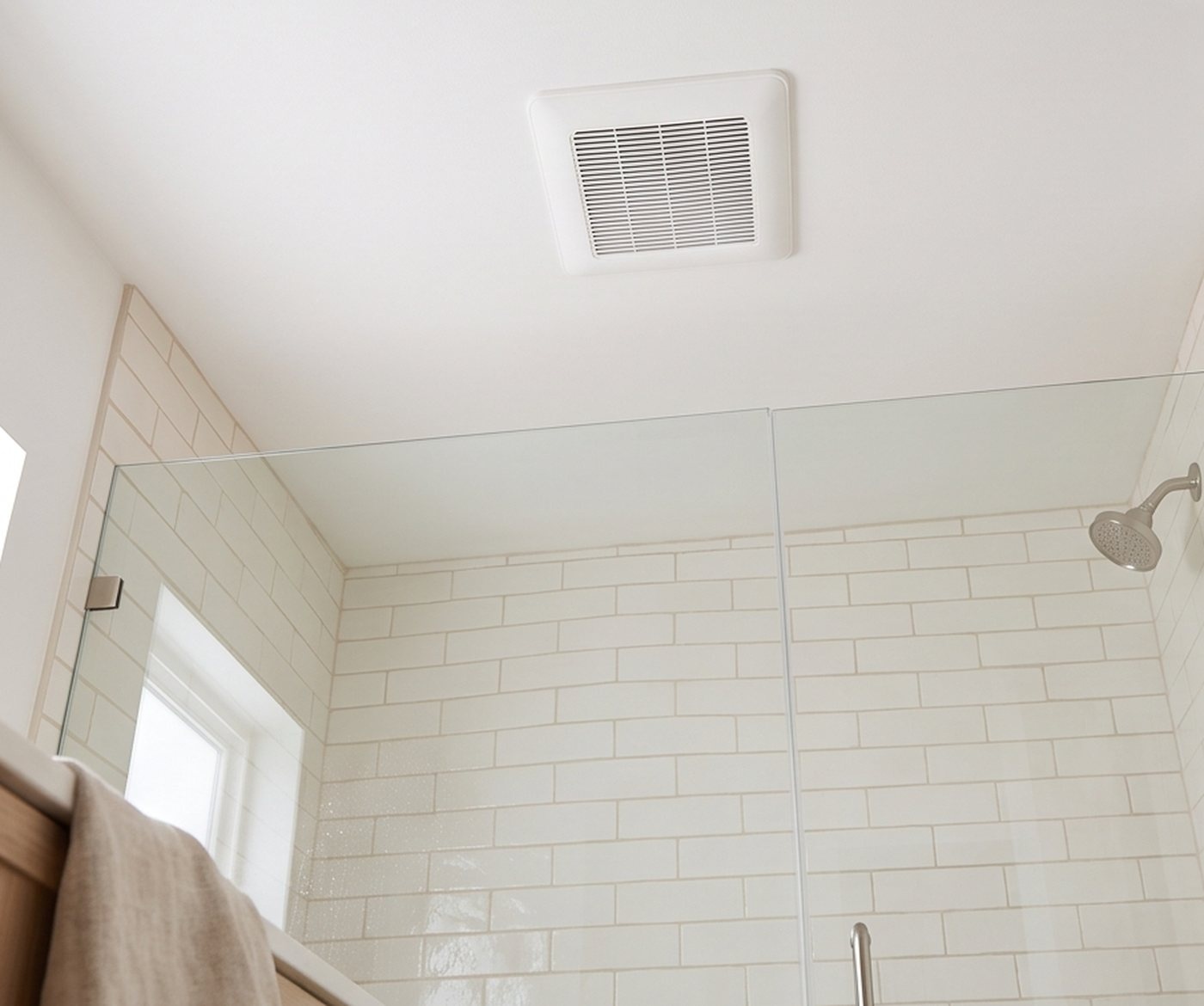
Ideally near or above the shower, away from the door, so it pulls steam across the room instead of straight from the doorway.
Mistakes to skip
- A 50 CFM fan in a large bathroom.
- A noisy fan nobody uses.
- Venting into the attic.
- No timer, so it goes off with the light.
FAQ
What size exhaust fan do I need for my bathroom? About 1 CFM per square foot of floor, 50 CFM minimum. Over 100 square feet, add about 50 CFM per toilet, shower and tub.
Is a bigger bathroom fan always better? Not always. Too large for the duct, and it gets noisy and less efficient. Size it to the room and the duct.
How long should a bathroom fan run after a shower? Around 20 minutes. A timer or humidity sensor handles it.
Every remodel question, in one place
The Bathroom Decision Map, No. 05 in the Decorwick Measured Home Series, has the fan in its twelve-regret list, 15 questions to ask your contractor (including where the fan vents), and a spec sheet to hand over. See The Bathroom Decision Map