Feng Shui is often misunderstood as superstitious mysticism or rigid rules about where to put bamboo plants. At its core, the ancient philosophy of Feng Shui is simply the thoughtful study of environmental psychology: how spatial layout, sightlines, natural light, and physical airflow subconsciously influence our stress levels and emotional well-being.
In the bedroom—where we spend one-third of our lives in an unconscious, vulnerable state—the spatial energy (or Qi) of the room directly impacts how safe, grounded, and restful we feel.
By aligning your bed in the commanding position and clearing energetic bottlenecks, you can transform your bedroom into a deeply protective sanctuary. Here are the essential Feng Shui bedroom rules every homeowner should know.
1. The Commanding Position: The Golden Rule of Bed Placement
The foundation of bedroom Feng Shui is placing the bed in the Commanding Position:
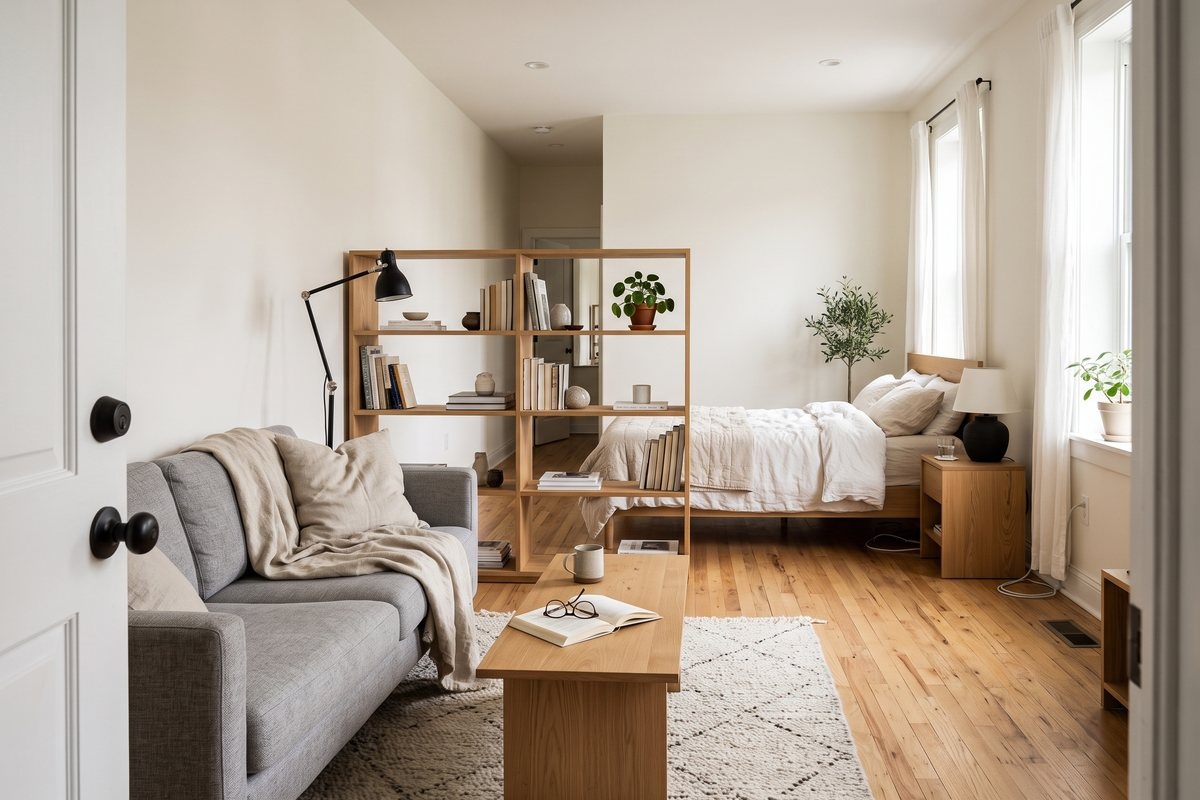
- Clear View of the Entryway: You should be able to see the bedroom door easily when lying in bed, without being in direct alignment with it. This puts your primitive subconscious mind at ease because you cannot be startled by someone entering.
- Avoid the "Coffin Position": Never align your bed directly in line with the doorway so your feet point straight out the door. In classical Feng Shui, this is known as the coffin position and exposes your sleeping body to excessive rushing energy.
- Solid Wall Support: Always place your headboard against a solid, sturdy wall—never floating in the center of the room or pushed against a window. A solid wall provides psychological stability and emotional grounding.

2. Headboard Psychology: Solid Support for the Subconscious
Your headboard represents stability and protection in relationships and personal well-being:
- Choose a Solid Headboard: Select a sturdy headboard made of solid timber or supportive upholstery with no open gaps. Avoid slatted prison-bar metal headboards or flimsy open wicker.
- Firm Attachment: Ensure the headboard is bolted tightly to the frame so it does not wobble, shake, or squeak against the wall.

3. The Power of Symmetry & Balance
In Feng Shui, the master bedroom symbolizes personal balance and romantic harmony. Visual asymmetry creates subconscious discord:
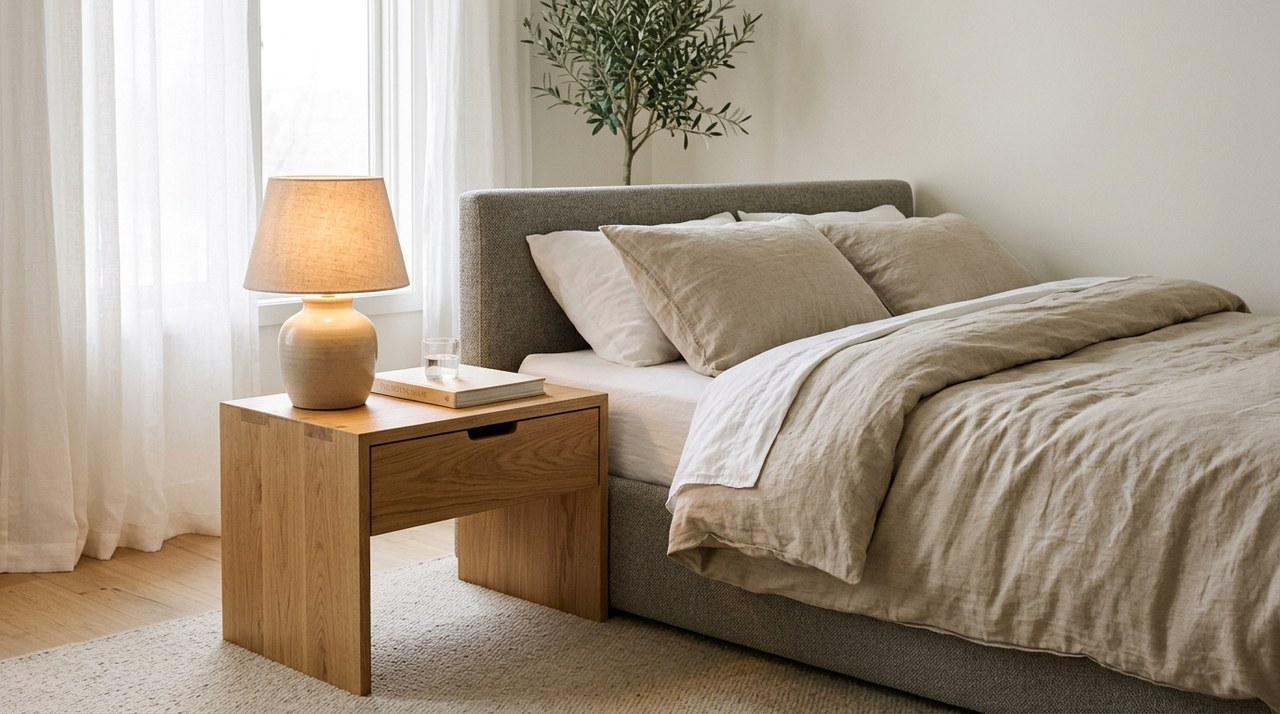
- Dual Nightstands & Lamps: Always place matching or proportionally balanced nightstands and lamps on both sides of the bed, even if you sleep alone. Symmetrical access ensures equal energetic space and prevents one side from feeling cramped or subordinate.
- Equal Walkways: Ensure both partners can get in and out of bed easily. Never push one side of a double or queen bed flush against a wall, which metaphorically traps that sleeper.

4. The Mirror Rule: Never Reflect the Bed
Mirrors are active, water-element tools that bounce and amplify energetic Qi around a room:
- Avoid Mirrors Facing the Bed: A mirror that reflects your sleeping body can startle your subconscious during waking moments and create restlessness.
- Proper Placement: Position full-length mirrors on the inside of closet doors, or hang them on an adjacent wall where they reflect pleasant artwork or morning window light rather than the mattress.
5. Clear the Under-Bed Space
What lies beneath your mattress has a direct energetic impact on your rest:
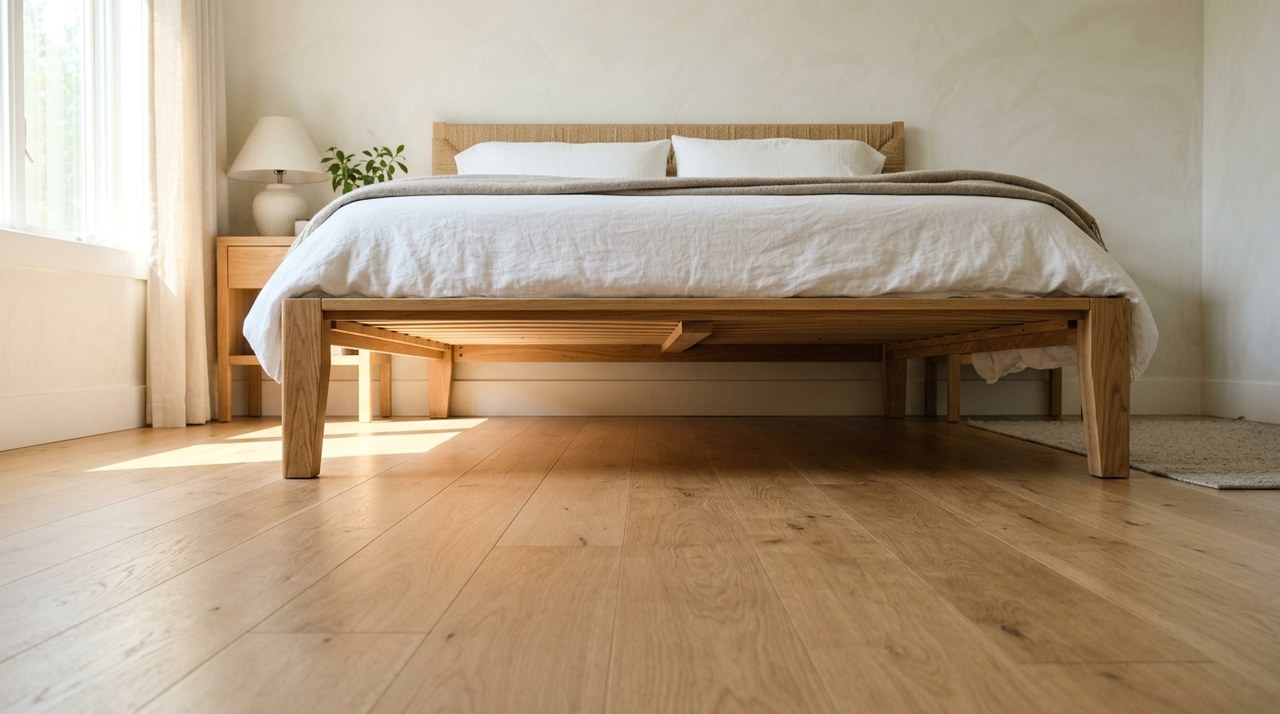
- Do Not Use the Under-Bed as an Attic: Avoid storing luggage, old tax documents, shoe boxes, or exercise equipment under the bed. Storing chaotic reminders of work or past baggage beneath you traps stagnant energy and prevents air and Qi from circulating freely.
- If Storage Is Unavoidable: Only store soft, clean bedding items (such as spare duvets, wool blankets, and pillows) in breathable fabric bins.
Frequently Asked Questions
What if my bedroom has no wall without a window for the bed?
If you must place your bed in front of a window, choose a tall, solid headboard to create a physical barrier between your head and the glass, and hang heavy blackout drapery that remains closed while sleeping.
What are the best Feng Shui colors for a bedroom?
Earth tones (warm beige, terracotta, soft sand) and soothing skin tones foster grounding, stability, and romantic intimacy. Soft biophilic greens and muted blues encourage healing and stress reduction.

Can I have plants in a Feng Shui bedroom?
A small, healthy plant with soft, rounded leaves (like a jade plant or peace lily) is acceptable, but avoid prickly cacti or large collections of plants, which introduce excessive active wood energy.
What should you do with beams over the bed?
Exposed ceiling beams running directly over the bed create oppressive downward cutting energy. Soften them by painting the beams the same color as the ceiling, or drape lightweight fabric across the beams.