Your nightstand is the first thing you see when you open your eyes in the morning and the last surface you reach for before drifting off to sleep. When a bedside table is cluttered with tangled charging cables, half-empty water cups, and random receipts, it creates subtle subconscious tension right when you need calm.
Choosing the proper nightstand dimensions and styling the tabletop with intentional restraint can turn an overlooked bedside corner into a beautiful, functional anchor. Here is the step-by-step designer guide to choosing and styling your nightstands.
1. Scale and Proportions: Matching Mattress Height
The most common functional mistake when buying nightstands is choosing a table that sits too low or too high relative to your sleeping surface.
- The Height Rule: A nightstand should sit level with the top of your mattress, or no more than 2 inches higher or lower. Tables that sit 5 inches below the mattress require awkward bending to grab a glass of water in the dark, while overly tall tables create an imposing visual barrier.
- Width Proportions: For a Queen bed, choose nightstands between 20 and 26 inches wide. For a substantial King bed, look for tables between 28 and 34 inches wide to balance the visual weight of the headboard.
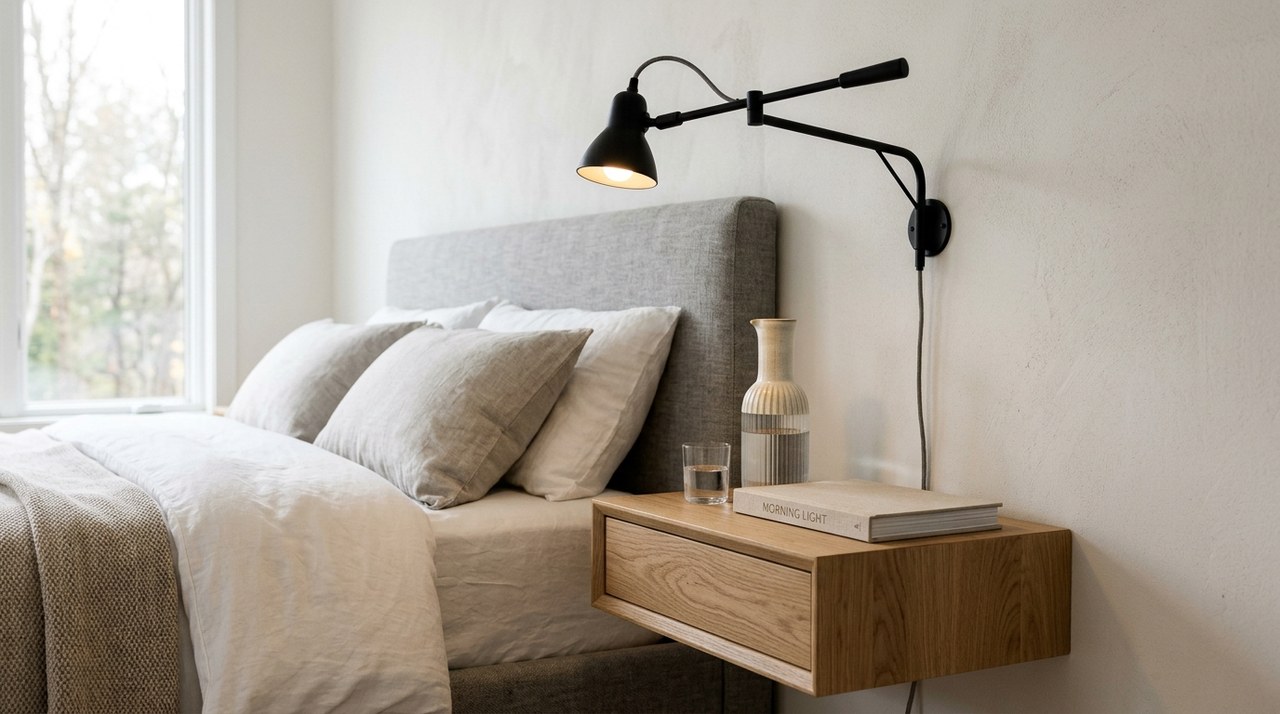
2. Storage vs. Open Silhouette: Which Do You Need?
Before falling in love with a delicate open-leg accent table, be honest about your daily bedside habits:
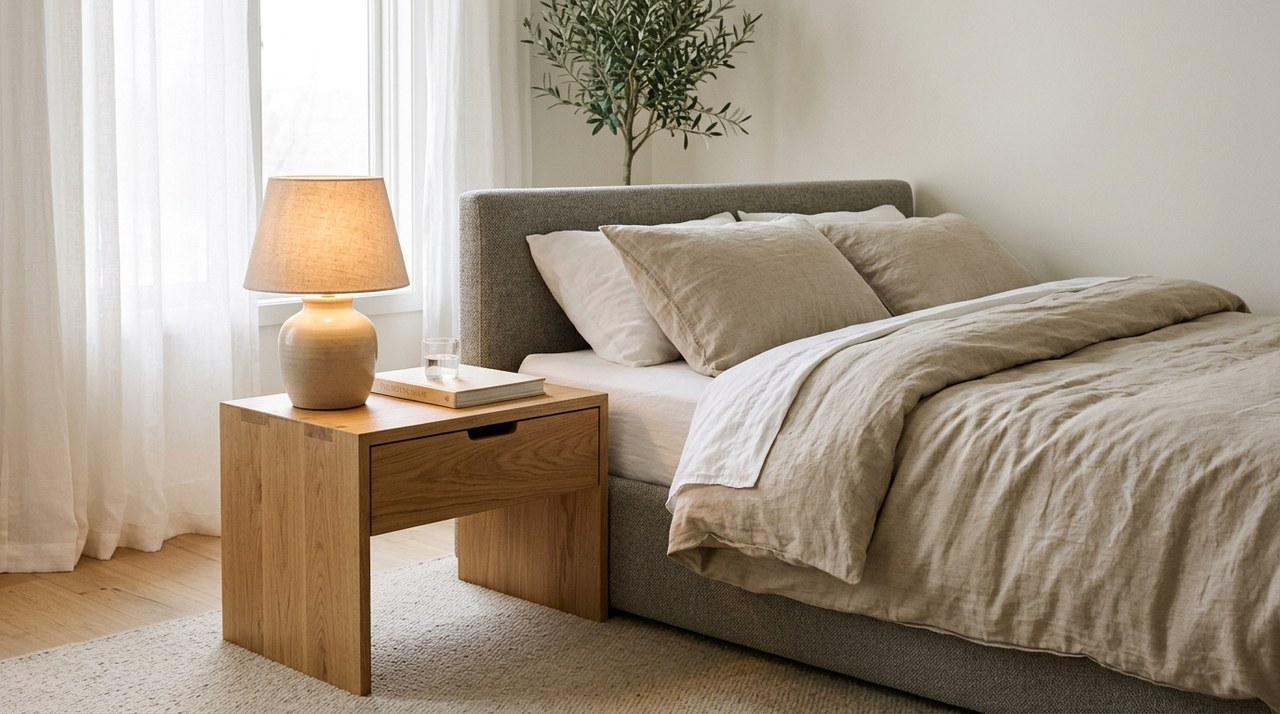
- Closed Drawer Nightstands: If you keep journals, hand creams, reading glasses, medication, and multiple chargers by your bed, choose a 2-drawer or 3-drawer nightstand. Concealed storage keeps clutter out of sight, preserving a tranquil bedroom aesthetic.
- Open Shelf Nightstands: Perfect for minimalists who only require a lamp, a book, and a glass of water. Open silhouettes make small bedrooms feel lighter and more spacious by showing more wall and floor area.
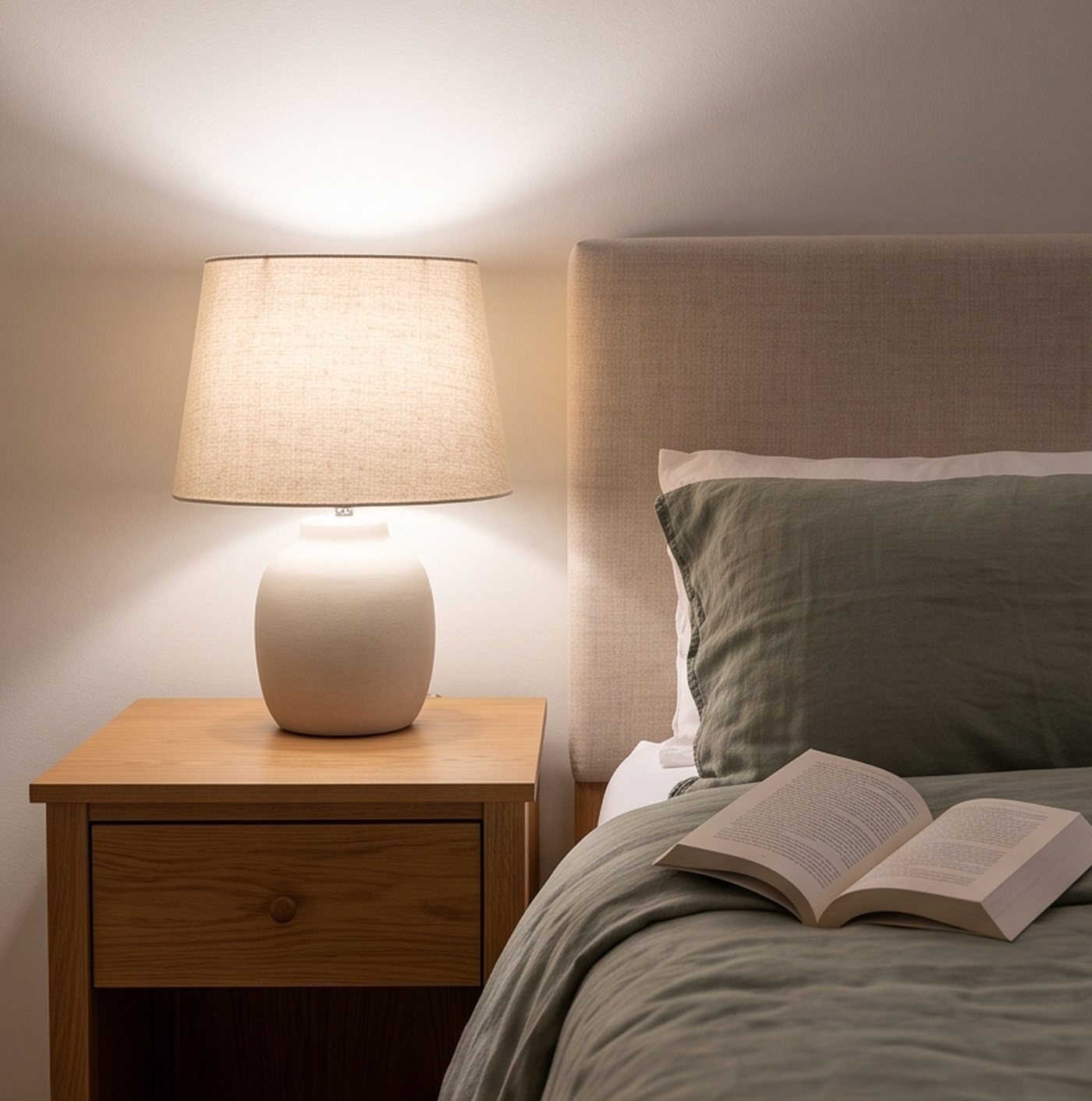
3. The Designer Rule of Three for Tabletop Styling
Avoid the urge to cover every square inch of your bedside table. Stylists rely on the "Rule of Three" to create visual balance:
- Something Tall (Vertical Anchor): An oversized ceramic table lamp, a brass reading sconce on the wall, or a sculptural branch in a bud vase.
- Something Low and Flat (Horizontal Anchor): A small stack of two cloth-bound books or a textured linen tray that defines the surface.
- Something Small and Organic (Tactile Element): A stoneware water carafe with an inverted drinking glass, or a marble dish for jewelry and glasses.
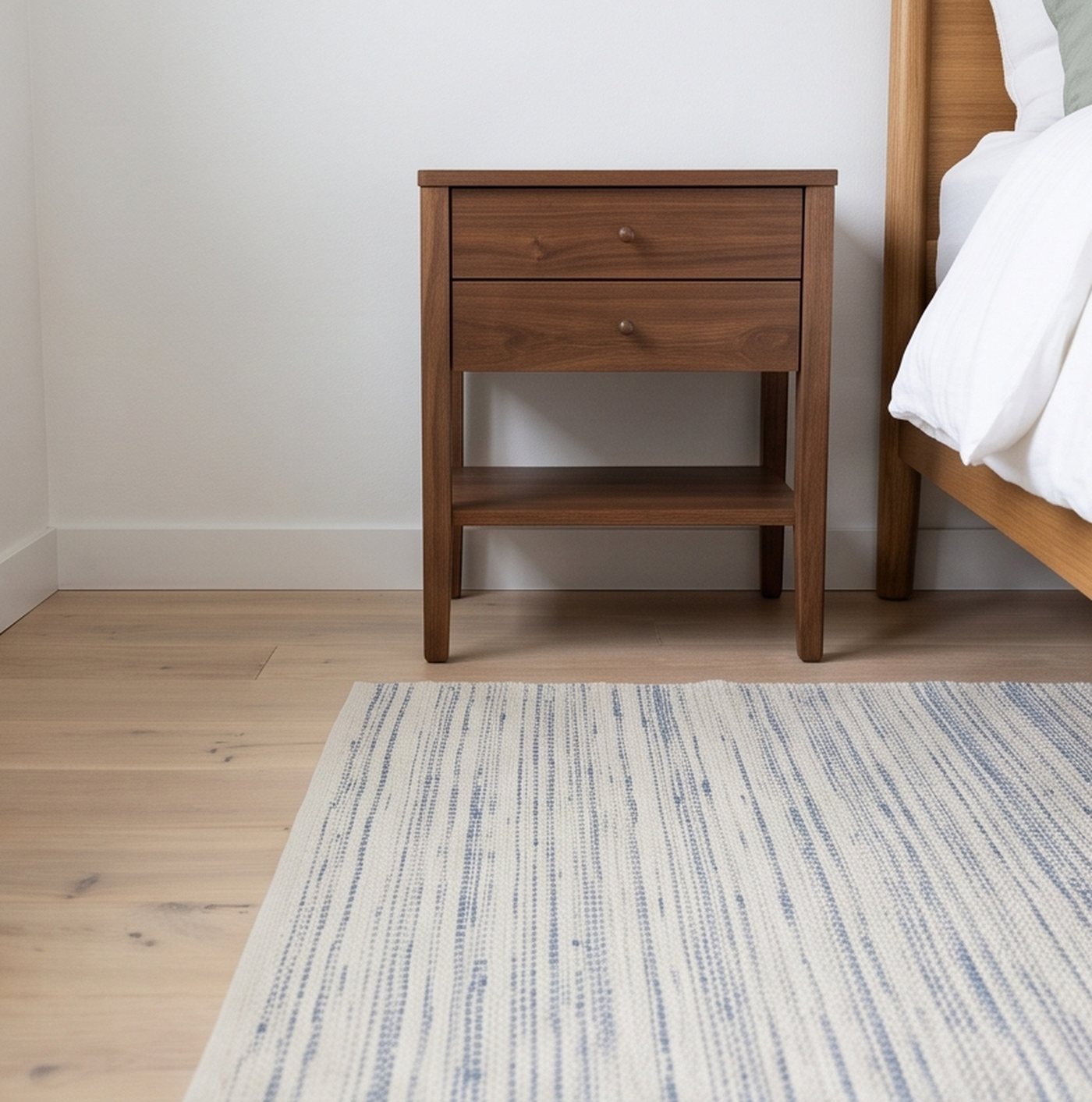
4. Cord Management & Invisible Tech
Tangled charging cables destroy the serenity of a master bedroom. Incorporate smart cable strategies:
- Choose nightstands with integrated cable cutouts in the back panel or install an adhesive power strip behind the nightstand.
- Use a weighted wireless charging pad that sits flat on the table, or run phone cords through a discreet leather cable clip mounted to the back leg.
5. Matching vs. Mismatched Nightstands
Do your nightstands need to match? It depends on your room's architecture:
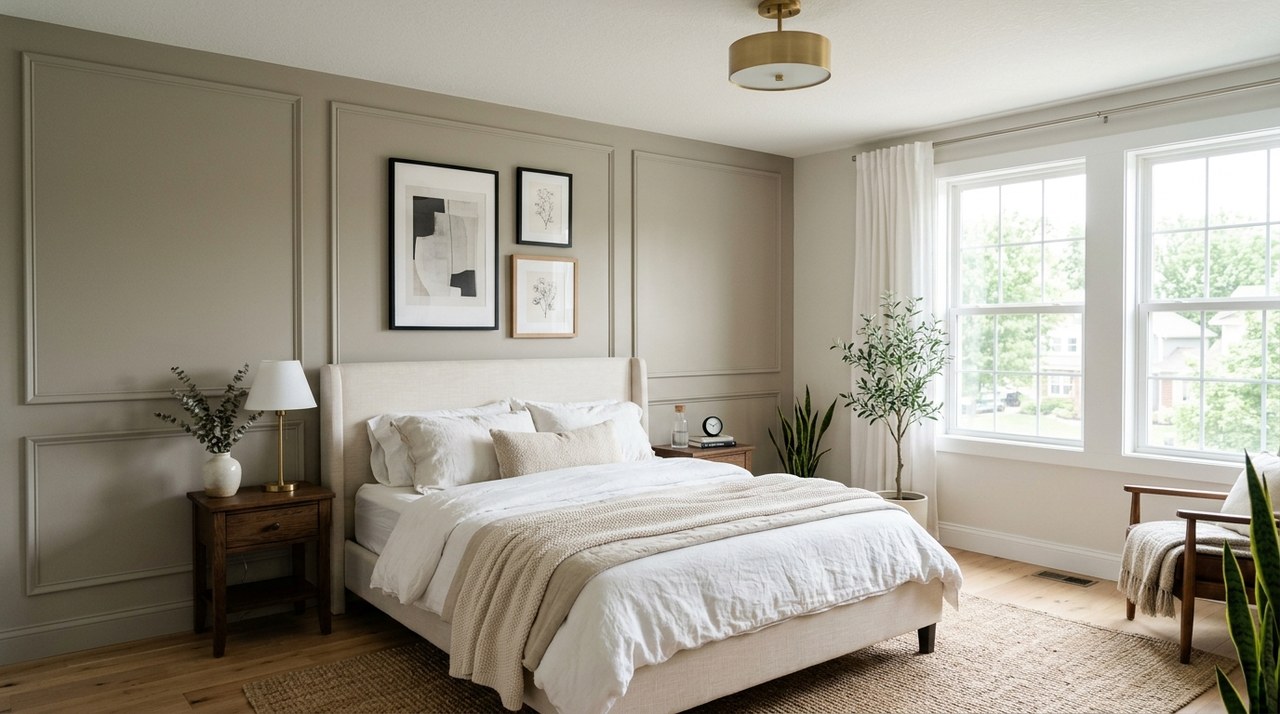
- Symmetrical Matching: In traditional, transitional, or formal bedrooms, matching nightstands provide grounding structure and calm order.
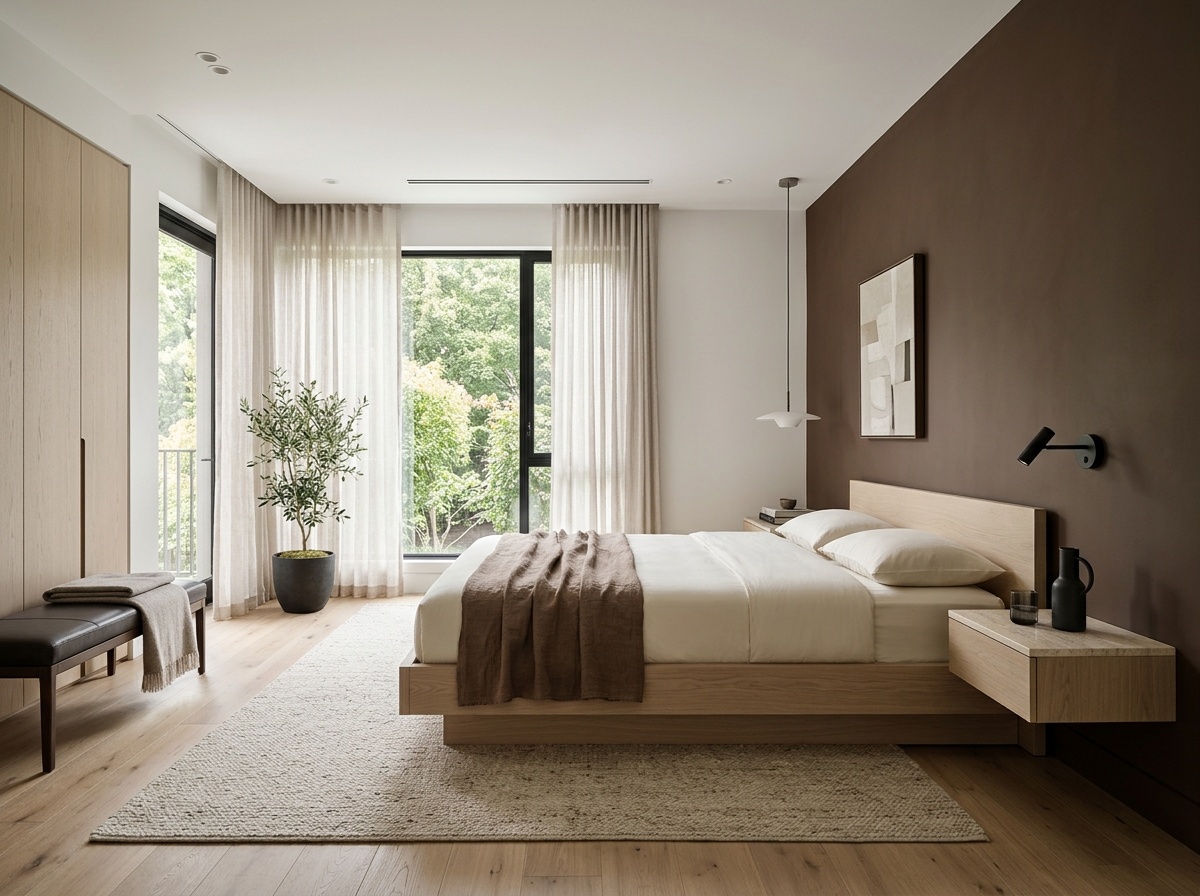
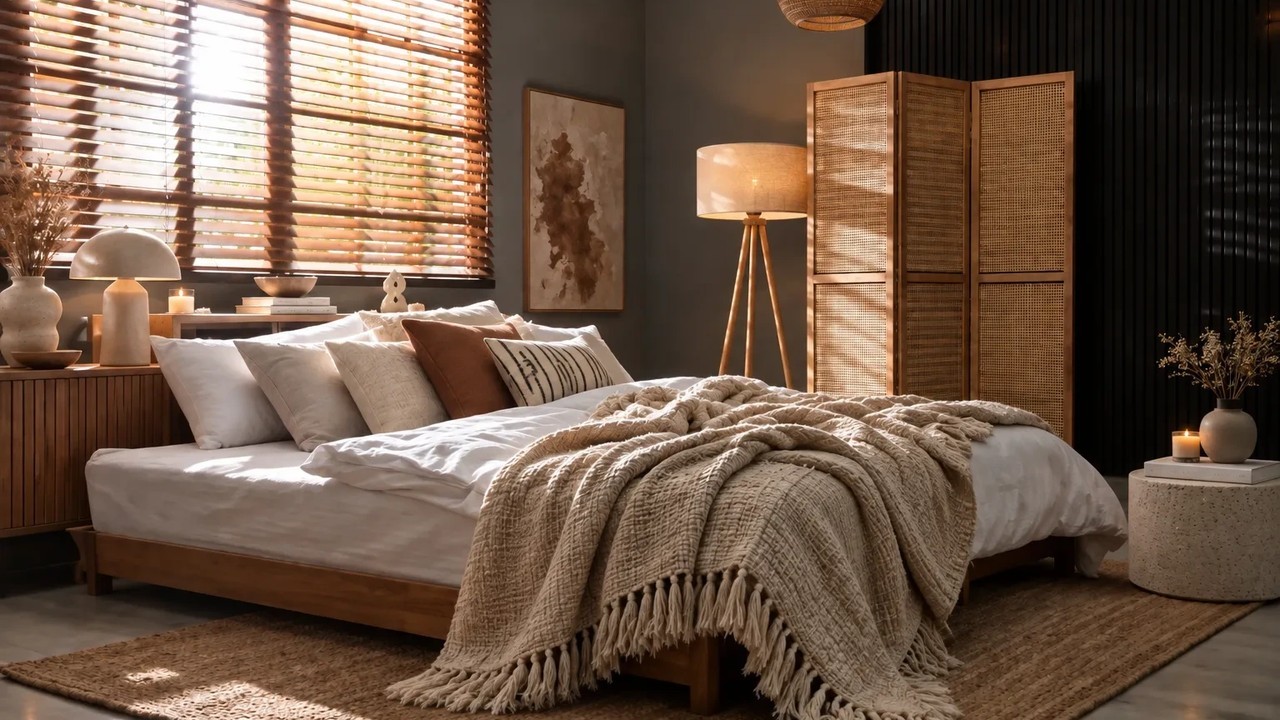
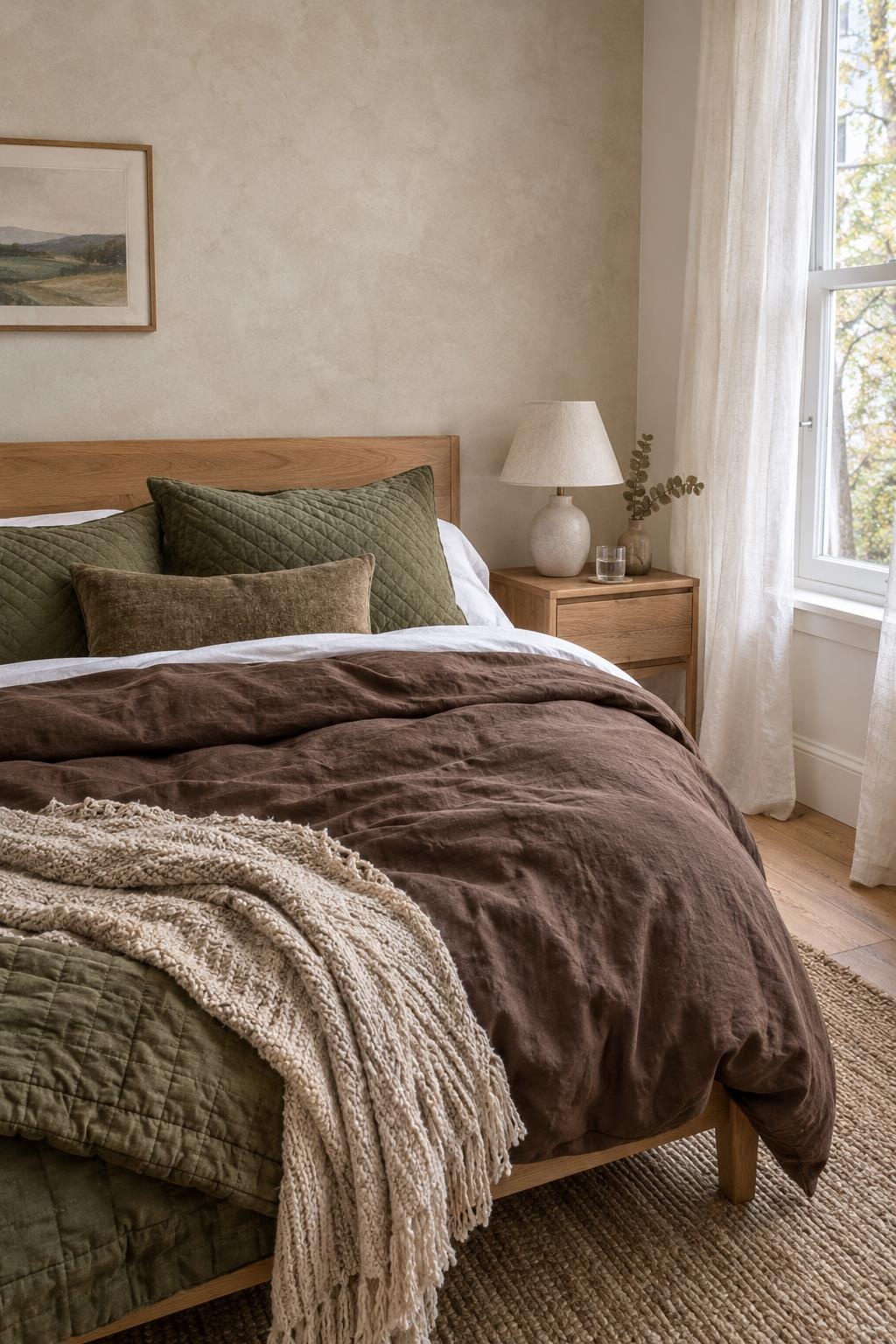
- Cohesive Mismatching: In modern or bohemian spaces, you can mix tables as long as they share similar visual weights and stand within 1 inch of the same height. For instance, pair a 3-drawer painted dresser on one side with an open oak table on the other, united by identical table lamps.
Frequently Asked Questions
What do you do if your nightstands are too short?
If your nightstands are shorter than your mattress, add height visually by using wall-mounted sconces rather than table lamps, or place a set of heavy hardwood riser feet beneath the table legs.
How much space should there be between the bed and nightstand?
Leave approximately 2 to 3 inches of breathing room between the edge of the mattress/headboard and the side of the nightstand. Pushing tables flush against the bed makes tucking in sheets difficult.
What should you never keep on a nightstand?
Avoid storing work laptops, stacks of unpaid bills, clutter trays overflowing with receipts, or blinking digital electronics that emit blue standby light throughout the night.
Can a dresser be used as a nightstand?
Yes! In master bedrooms with wide walls, using a small 3-drawer bachelor's chest or compact dresser (32–36 inches wide) as a bedside table offers immense storage and high-end presence.