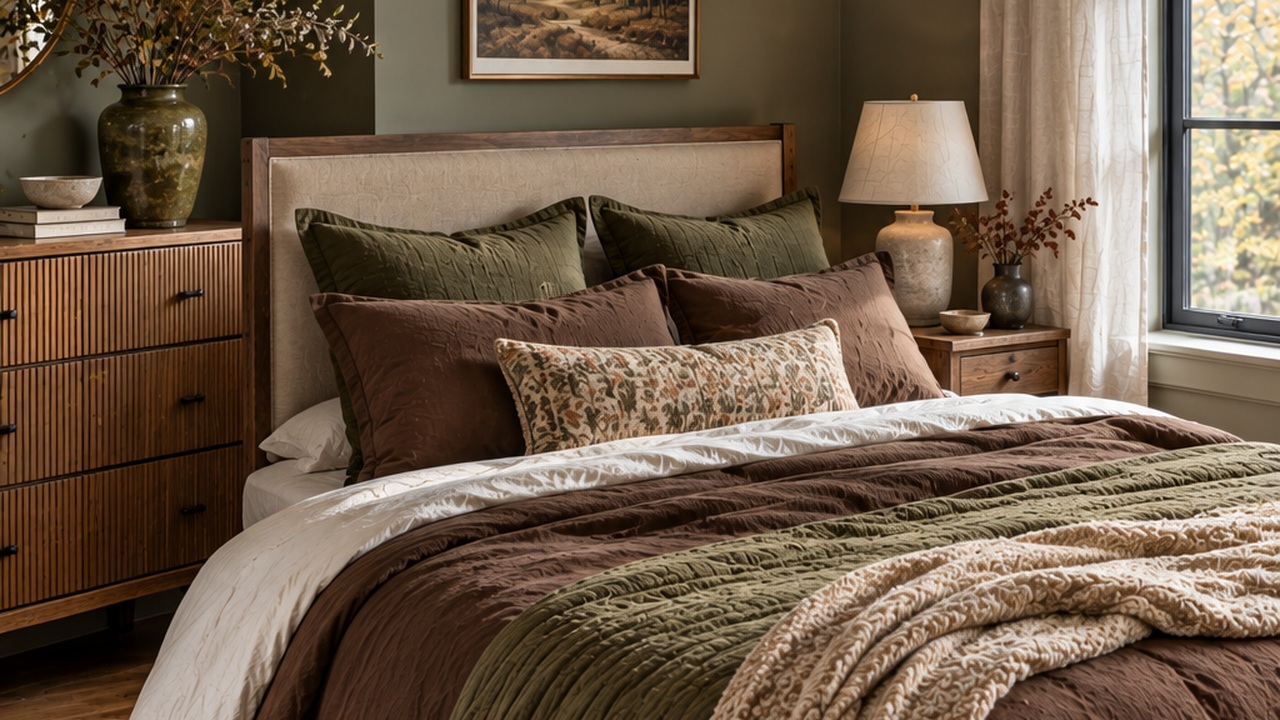
Waking up in the middle of the night drenched in sweat, kicking off the duvet only to pull it back on when chilled, is one of the most frustrating sleep disruptors. Human core body temperature must drop by 1 to 2 degrees Fahrenheit to initiate and sustain deep restorative sleep. When your bedding traps heat and humidity like a plastic greenhouse, your sleep cycles are constantly interrupted.
Hot sleeping is rarely a personal flaw; it is almost always a fabric problem. Synthetic bedding materials like polyester microfiber, thick sateen weaves, and heavy memory foam trap radiant body heat against your skin.
By switching to naturally thermoregulating fibers and open-weave textiles, you can keep your sleeping microclimate cool, dry, and comfortable all night. Here is the ultimate cooling bedding guide for hot sleepers.
1. Fabric Face-Off: The Best Cooling Sheet Materials
Not all natural fibers perform the same. Here is how the top cooling textiles stack up:
- 100% Long-Staple Cotton Percale (The Crisp Hotel Standard): Percale uses a balanced one-over-one-under weave that creates tiny air pockets throughout the fabric. It does not cling to your skin and delivers that cool-on-both-sides-of-the-pillow feeling. Look for a 250 to 350 thread count.
- 100% French or Belgian Flax Linen (The Natural Air Conditioner): Linen is woven from natural flax fibers, which are hollow and naturally conductive. Flax linen breathes better than any other natural fiber, wicking moisture away instantly and becoming softer with every wash.
- Bamboo Viscose / TENCEL Lyocell (The Silky Moisture Wicker): Derived from sustainable wood pulp, eucalyptus Lyocell is exceptionally smooth and cool to the touch. It absorbs moisture 50% faster than cotton, making it ideal for those who suffer from night sweats.
2. Bedding Materials Hot Sleepers Must Avoid
If you want to stay cool, eliminate these heat-trapping offenders immediately:
- Polyester Microfiber: Often marketed under deceptively cozy names, microfiber is made of petroleum-based plastic polymers. It does not breathe, traps sweat against your body, and causes rapid overheating.
- High-Thread-Count Sateen (600+): Sateen has a denser weave that traps heat, and high thread counts pack threads so tightly together that air cannot circulate through the weave.
- Fleece & Synthetic Sherpa: While cozy in deep winter, synthetic fleece creates an impenetrable thermal barrier that triggers night waking.
3. The Cooling Duvet: Fill Materials Matter
A heavy polyester comforter is the primary cause of midnight overheating. Upgrade your duvet insert:
- Silk-Filled Duvet (The Thermal Marvel): 100% long-strand Mulberry silk is naturally thermoregulating. It adjusts to your body heat, keeping you warm when room temperatures drop without trapping excess humidity.
- Lightweight Baffle-Box Down: If you love the cloud-like fluff of down, select an "All-Season" or "Summer Weight" insert with a 600+ fill power. High fill power provides loft with very little physical weight.
- Wool Comforters: Contrary to popular belief, pure wool is not just for winter. Wool fibers naturally absorb up to 30% of their weight in moisture vapor without feeling damp, preventing sticky humidity under the covers.
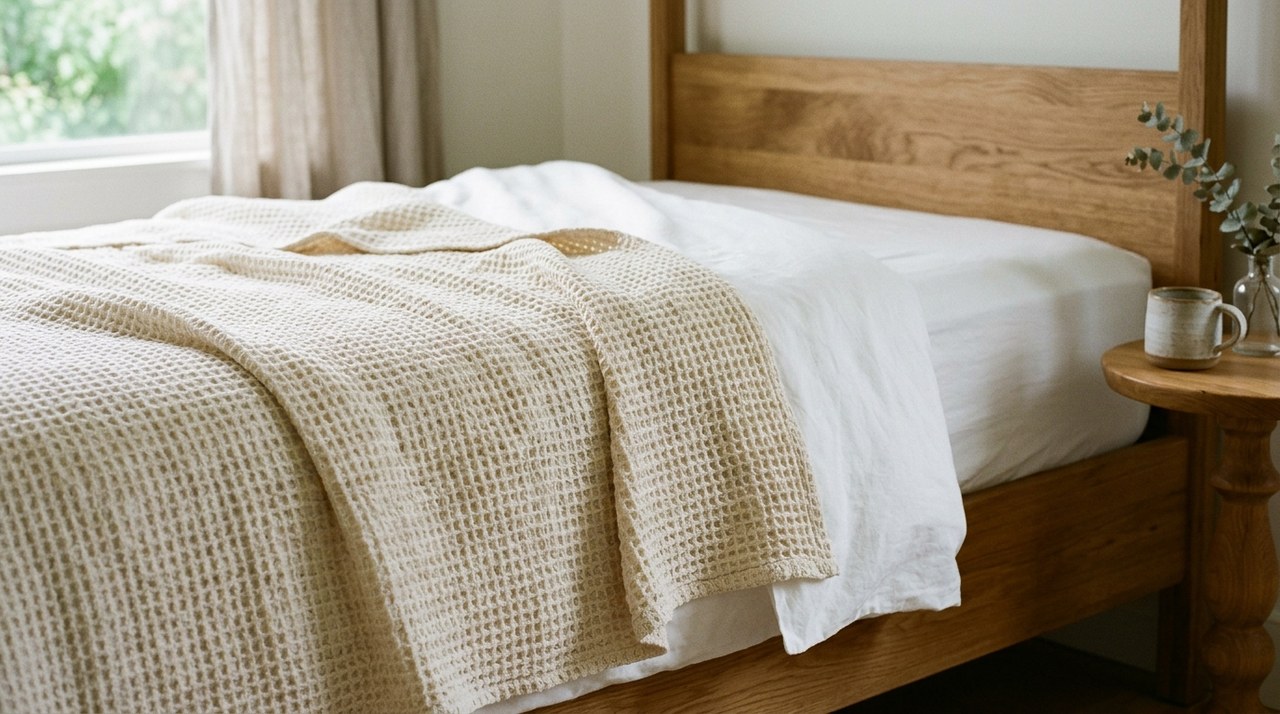
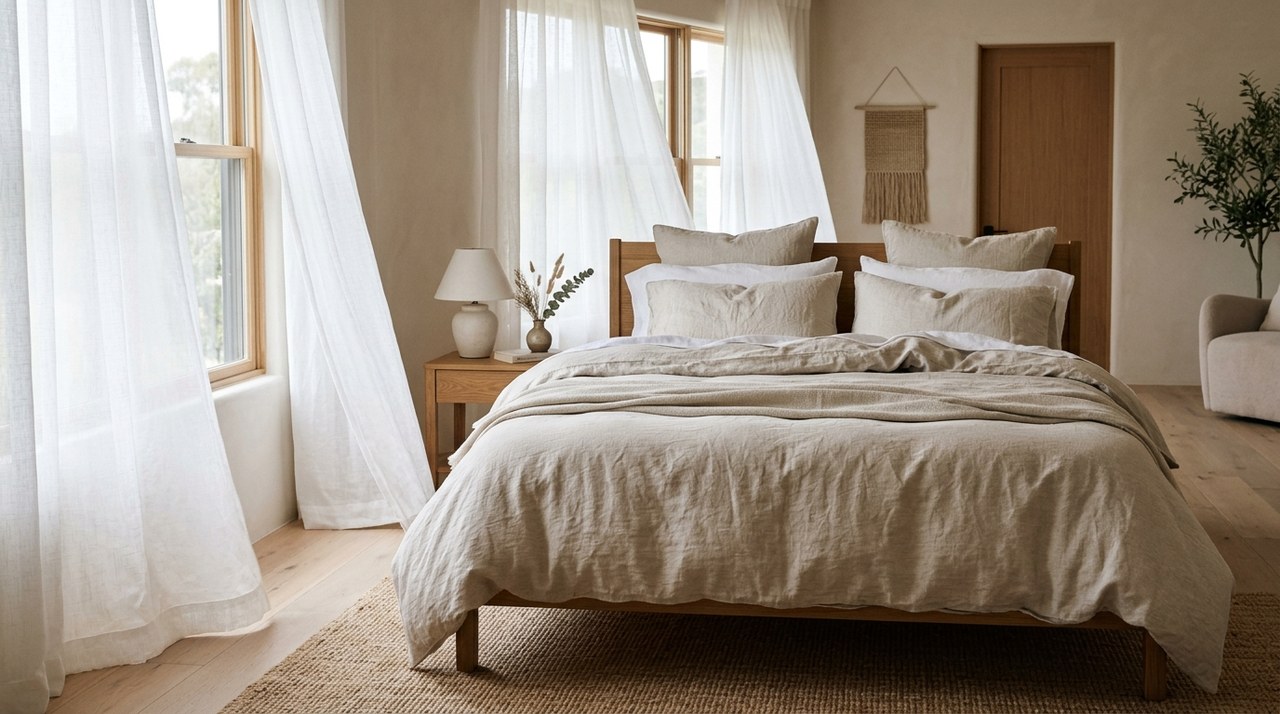
4. Upgrading Your Mattress Pad & Pillow
Hot sleep often originates from beneath you rather than above:
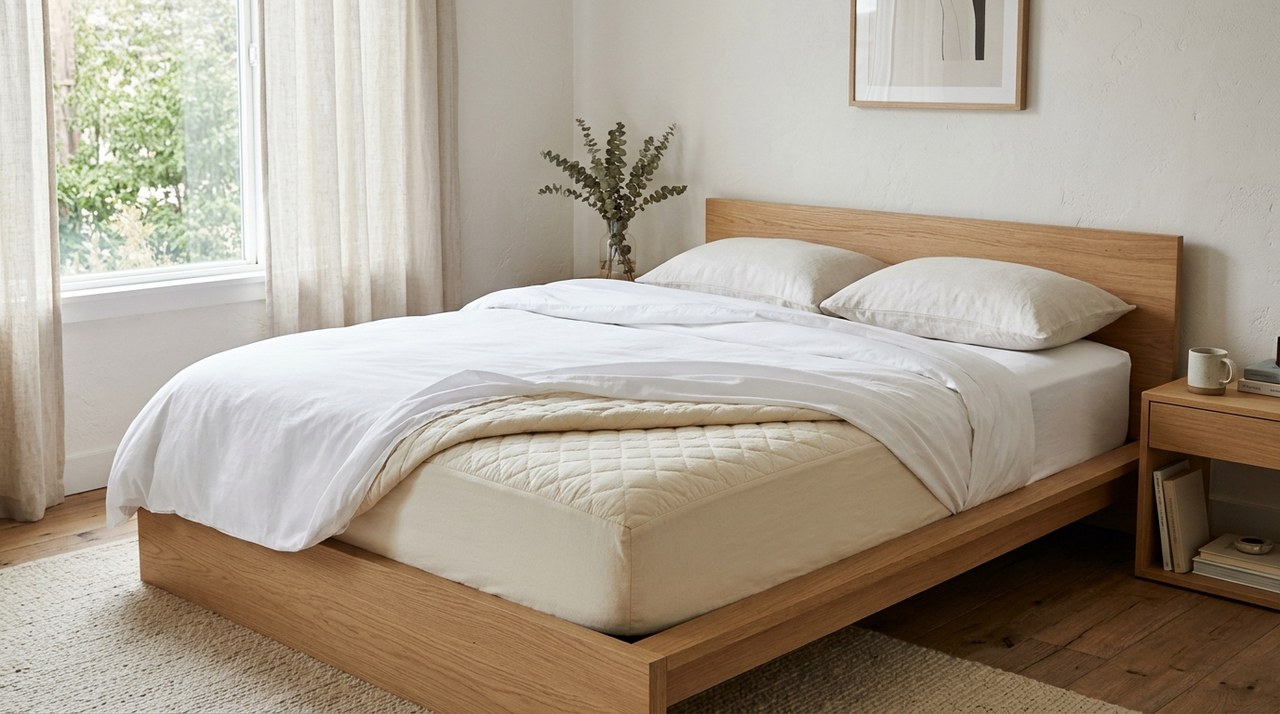
- Breathable Mattress Protector: Replace plastic waterproof mattress covers with a breathable organic cotton or eucalyptus mattress pad.
- Cooling Pillows: Traditional solid memory foam blocks heat transfer. Choose ventilated shredded latex pillows or dual-sided cooling gel memory foam wrapped in phase-change material (PCM) covers that absorb excess surface heat.
5. Room Climate Synergy
Even the best cooling sheets need a cool room to function optimally:
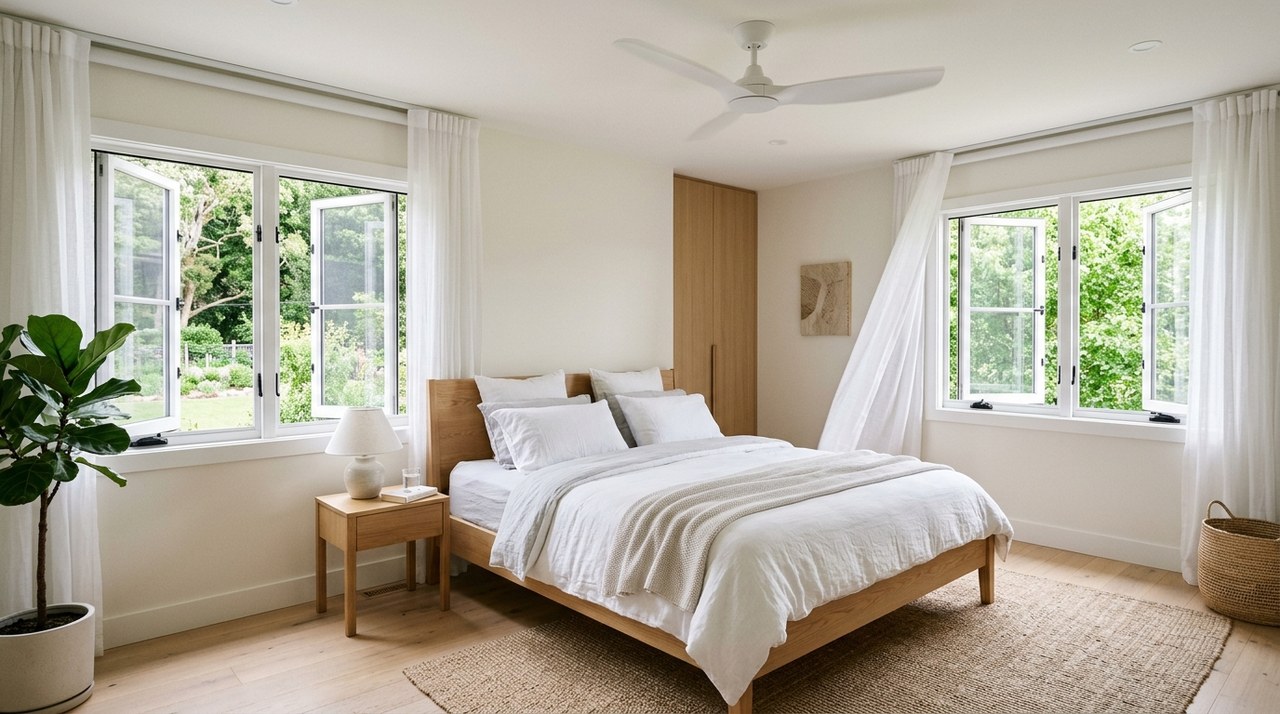
- Set your bedroom thermostat between 65°F and 68°F (18°C–20°C) before going to bed.
- Run a whisper-quiet ceiling fan on its lowest counterclockwise setting to keep ambient bedroom air circulating gently.
Frequently Asked Questions
Which sheets feel coldest to the touch?
Bamboo viscose and TENCEL Lyocell feel noticeably cold to the touch upon initial contact due to their smooth, moisture-conductive surface. Crisp cotton percale also delivers that refreshing cool snap.
Is linen or cotton cooler for sleeping?
Linen is naturally more breathable than cotton due to its looser weave and hollow flax fibers. However, cotton percale feels smoother and crisper against sensitive skin.
What thread count is best for hot sleepers?
For cooling cotton sheets, look for 250 to 350 thread count in a percale weave. Any thread count above 400 weaves fibers too densely, restricting airflow and trapping body heat.
Can cooling mattress pads actually lower bed temperature?
Yes. Active cooling mattress pads that circulate chilled water or use phase-change materials actively pull heat away from your body, preventing the mattress core from overheating throughout the night.