Modern technology has an uneasy relationship with the bedroom. Blaring television screens, buzzing smartphone notifications, and harsh blue LED indicator lights are notorious for sabotaging our natural circadian rhythms and keeping our brains hyper-stimulated when we need rest.
However, when technology is chosen thoughtfully—designed to work invisibly in the background without screens or intrusive glow—it can dramatically optimize your sleep environment.
From air purification to automated circadian lighting, here are 9 smart bedroom gadgets that genuinely improve your sleep hygiene while blending seamlessly into high-end interior decor.
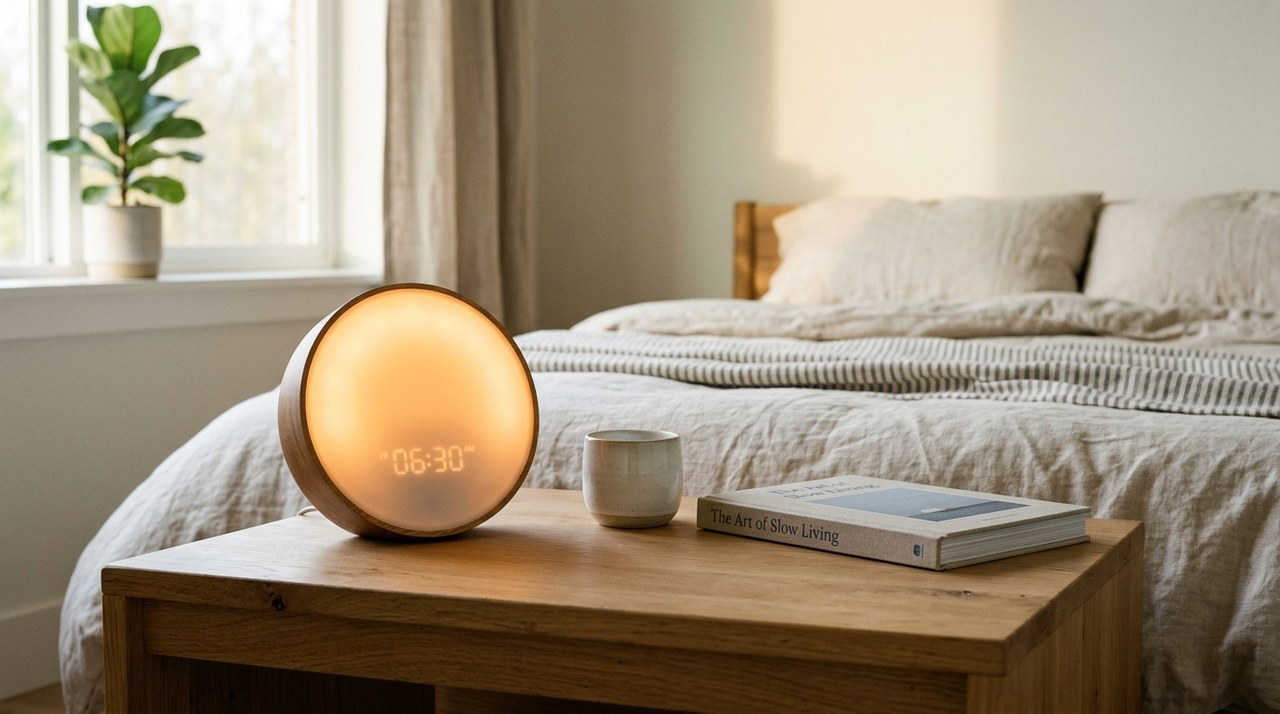
1. Sunrise Simulation Alarm Clocks (Banishing Jarring Buzzers)
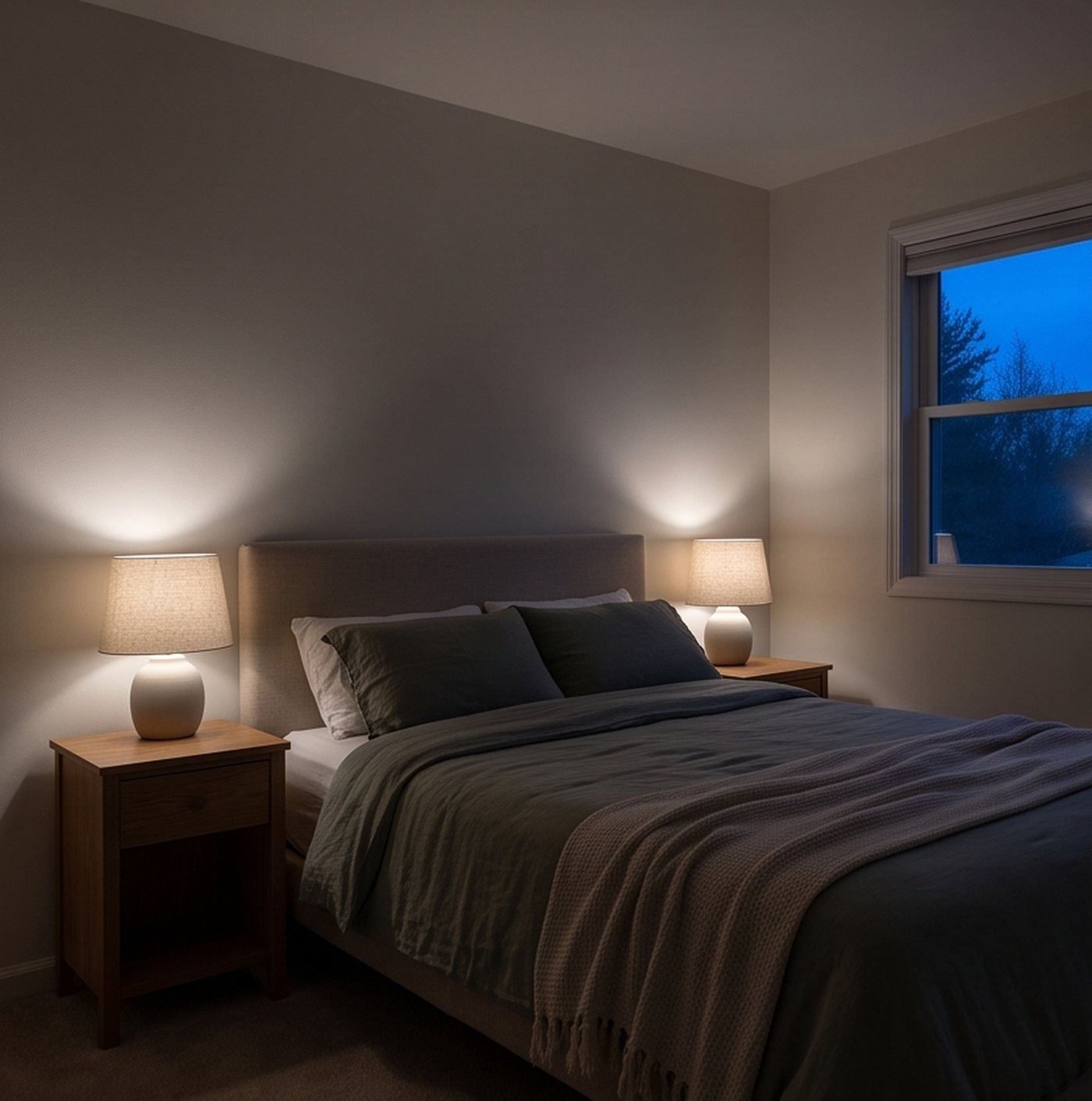
Waking up to a blaring smartphone alarm jolts your adrenal system with an immediate spike in cortisol. A sunrise wake-up light offers a gentle biological transition:
- How It Works: Starting 30 minutes before your scheduled wake time, the lamp gradually illuminates from a deep amber hue to a soft morning white, mimicking a natural dawn.
- Melatonin Suppression: This gentle light penetration through closed eyelids naturally suppresses melatonin production and raises body temperature, allowing you to wake up alert and calm without morning grogginess.
2. Silent Medical-Grade HEPA Air Purifiers
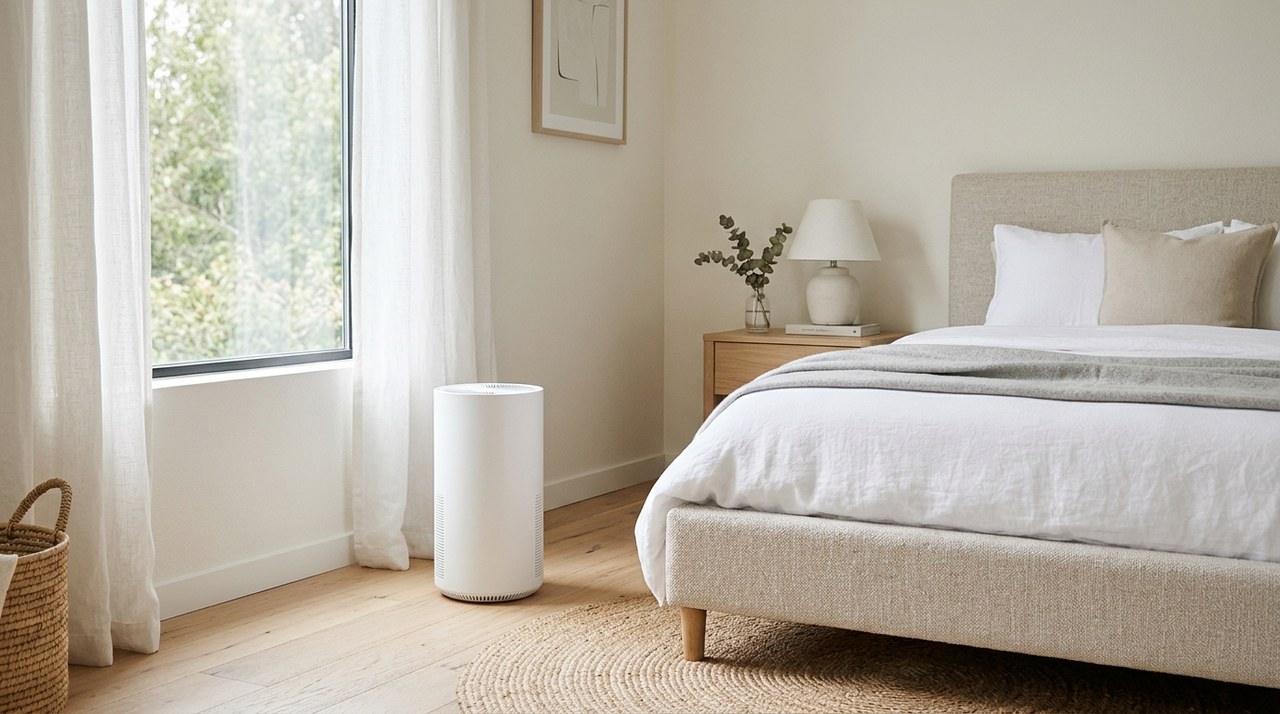
Microscopic airborne particles—including dust mites, pet dander, pollen, and VOCs—irritate nasal passages and trigger nocturnal congestion, causing mouth-breathing and restless sleep:
- Whisper-Quiet Performance: Look for an air purifier with a dedicated "Sleep Mode" that runs under 24 decibels (quieter than a whisper) while automatically turning off all display LEDs.
- True HEPA Filtration: Captures 99.97% of airborne particles down to 0.3 microns, ensuring the air filling your lungs all night is crisp and pure.
3. Active Temperature-Regulating Mattress Covers
Body temperature is the primary physical trigger for entering deep slow-wave sleep. If your core cannot cool down, you will toss and turn:
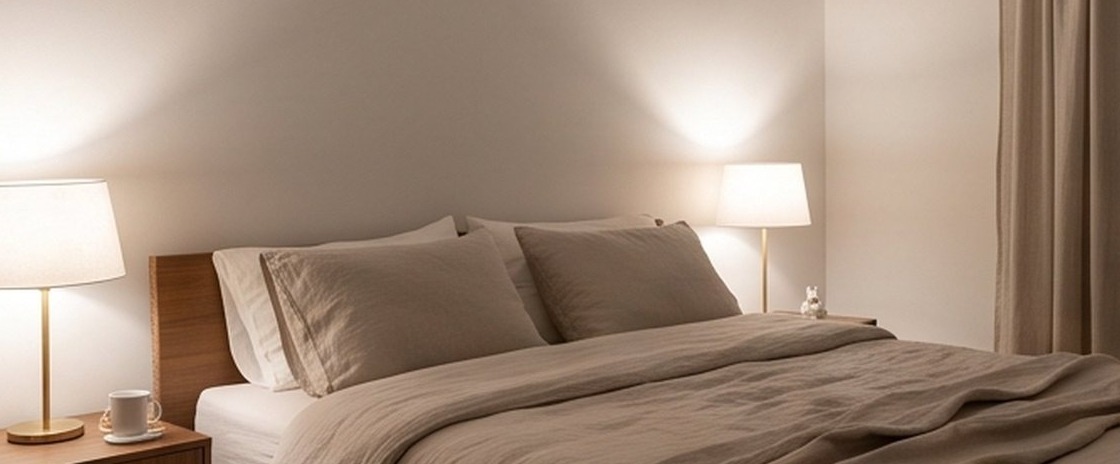
- Hydro-Powered Pods: Smart cooling mattress covers (such as Eight Sleep) circulate chilled or heated water through micro-channels beneath your body, allowing each partner to set their individual side of the bed from 55°F to 110°F.
- Dynamic Autopilot: Built-in biometric sensors track your sleep stages and automatically adjust temperature throughout the night—cooling you down during deep sleep and gently warming you up before your alarm.
4. Automated Smart Blackout Shades
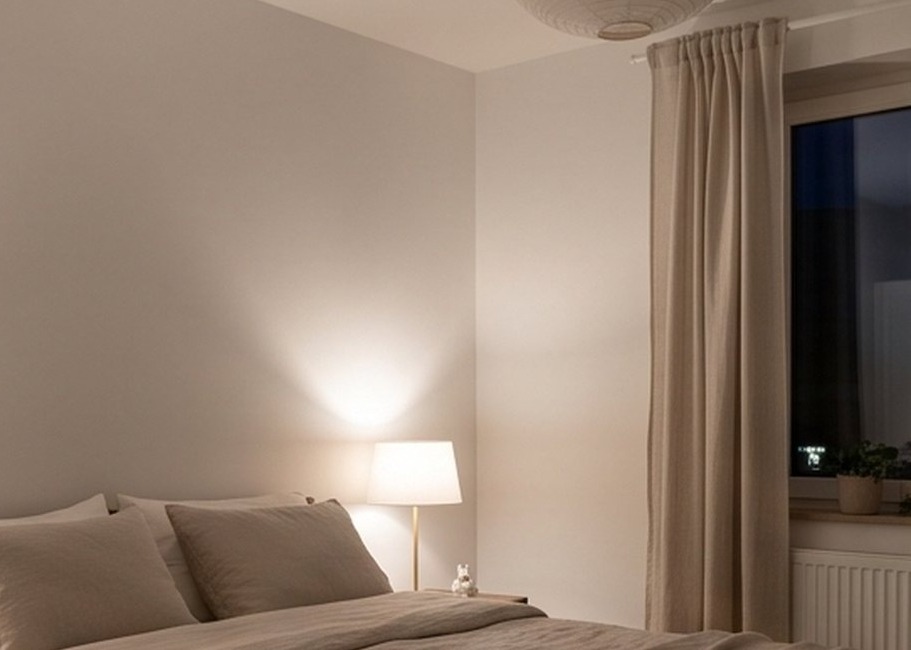
Consistent darkness is vital for melatonin synthesis:
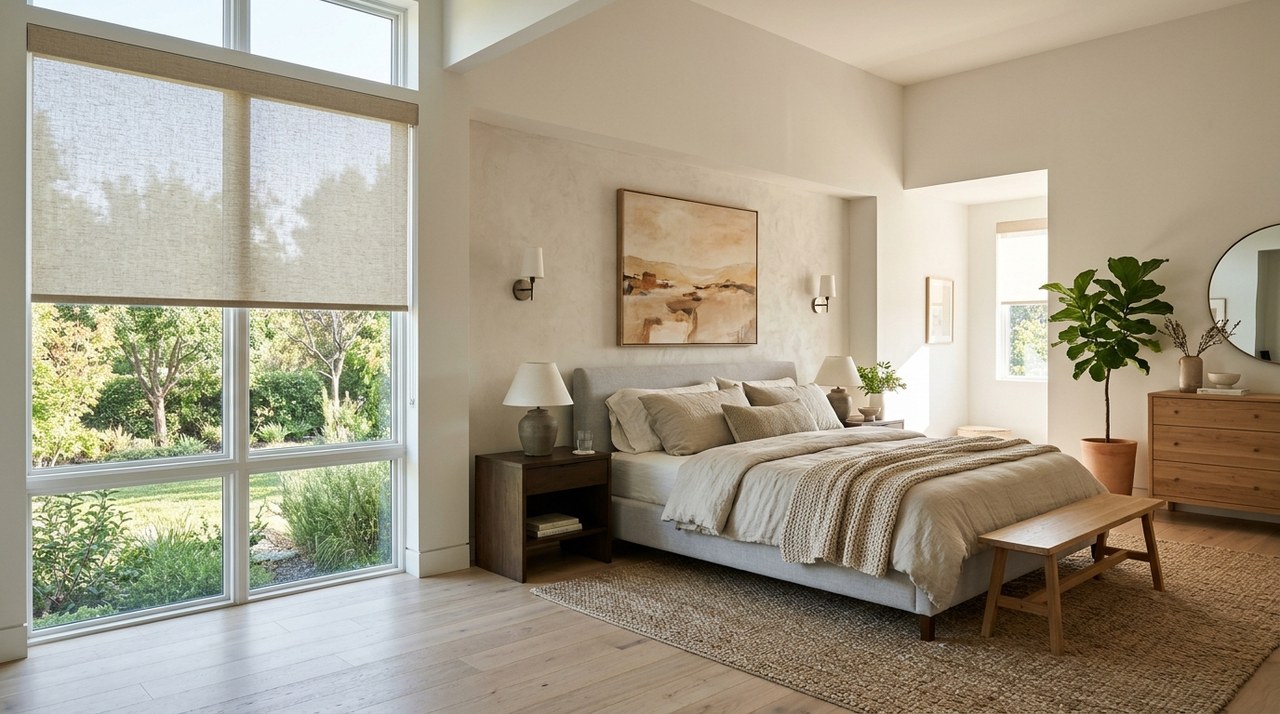
- Motorized blackout roller shades can be scheduled to lower automatically at sunset to seal out neighborhood streetlights, and slowly rise at your designated wake time to let natural sunlight wake you.
- Rechargeable lithium batteries hidden inside the headrail eliminate the need for complicated electrical wiring.
5. Non-Looping White & Pink Noise Machines
Sudden auditory spikes—like distant sirens, barking dogs, or floorboard creaks—trigger micro-arousals that kick you out of deep REM sleep:
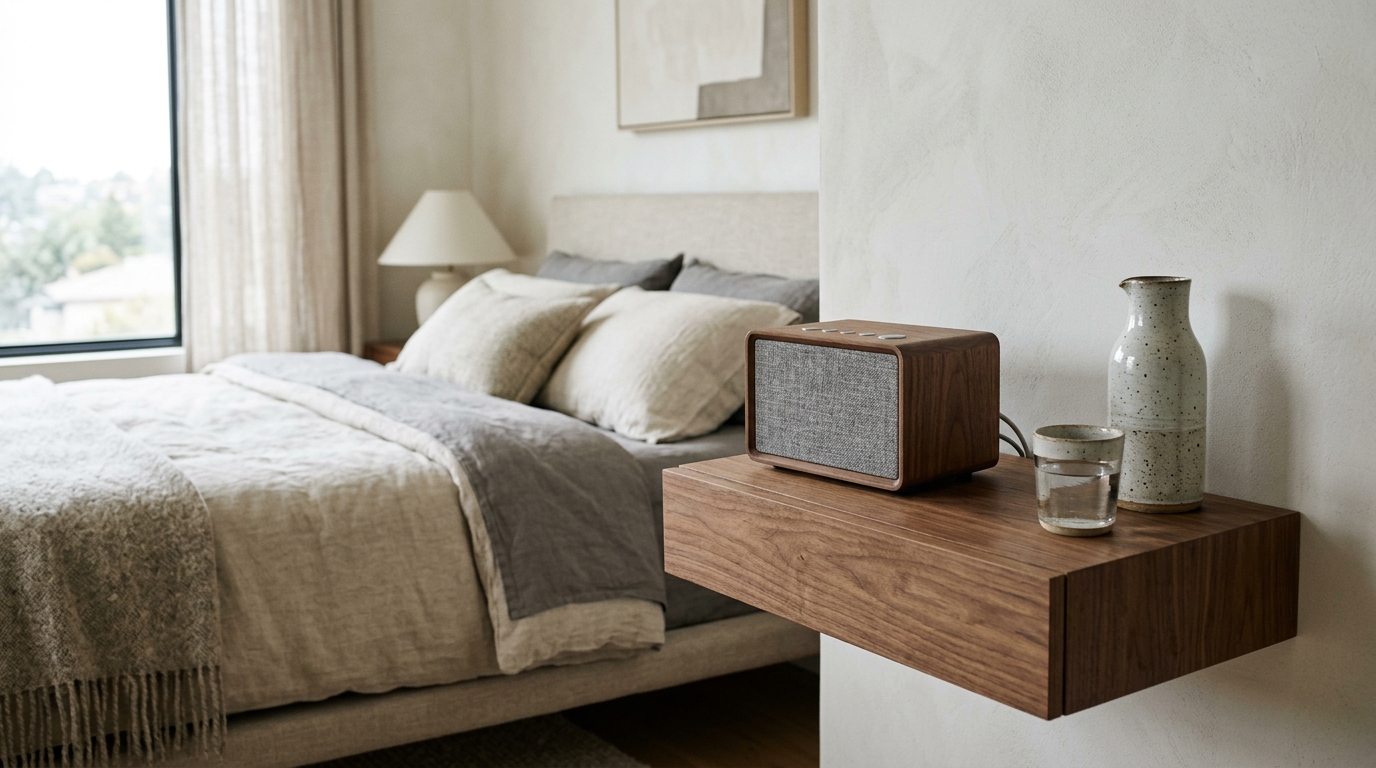
- Non-Looping Real Sound: Choose sound conditioners with a physical internal fan (like the Marpac Dohm) that generates real rushing air noise, rather than digital loops that the brain can subconsciously recognize.
- Pink Noise Frequency: Pink noise features deeper, richer sound waves that mimic steady rain or wind, scientifically proven to synchronize brain waves during deep sleep.
Frequently Asked Questions
What gadgets should you ban from a bedroom?
Ban televisions, work laptops, exercise machines, and glowing digital displays. The bedroom should remain a dedicated sanctuary for sleep and intimacy only.
How do you hide ugly electronic power cords in a bedroom?
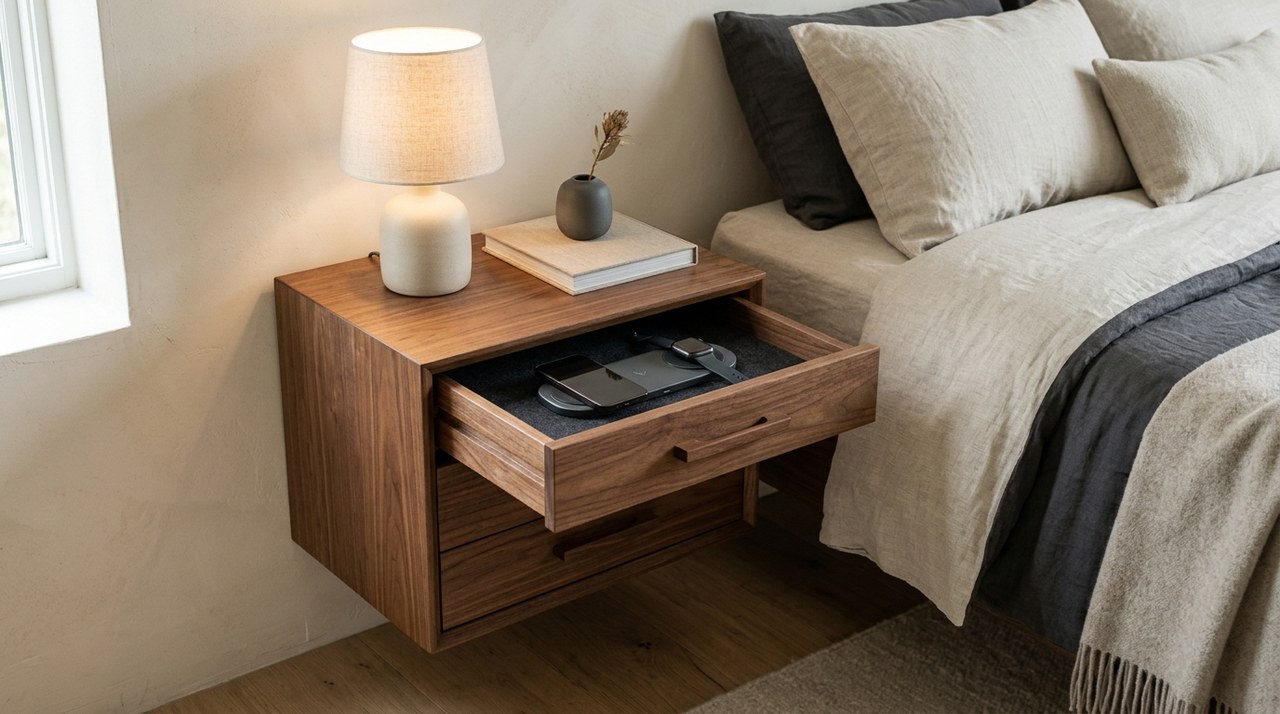
Use hollow-back nightstands with integrated power bars, install adhesive cable raceways painted in your wall color, or use magnetic leather cord wraps to secure cables along the back of furniture legs.
Is red night light better than blue light for sleep?
Yes. Red and deep amber wavelengths (below 2000K) have virtually zero inhibitory effect on melatonin production, making them the only safe colors for midnight bathroom visits or nightstand reading.
Do sleep-tracking smart rings actually work?
Yes. Wearable sleep rings (like Oura) use infrared photoplethysmography (PPG) sensors to accurately track heart rate variability (HRV), body temperature trends, and sleep stage cycles without requiring a glowing screen by your bed.